Why Do So Many People Wake Up Tired Despite Getting Enough Sleep?
When Sleep Duration Isn’t the Problem Why You Wake Up Tired — Even After Sleeping...
LIVER WELLNESS · EVERYDAY RITUAL
There’s something grounding about wrapping both hands around a warm cup while the kettle still hums in the background. For many people in India, that pause is where a liver-focused tea fits best — not as a fix, but as a small, repeatable ritual that sits alongside healthier everyday choices.
Brinita Liver Detox Tea is a green-tea-based herbal blend created for those who enjoy a flavourful daily cup featuring botanicals traditionally associated with wellness. It is not intended to cure fatty liver, “flush” toxins or replace medical care.
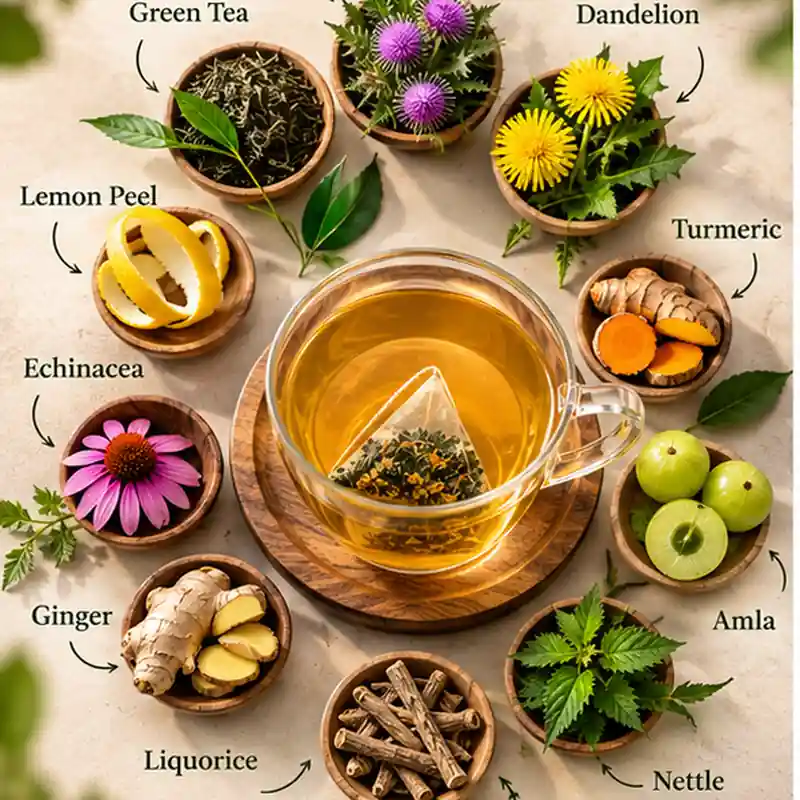
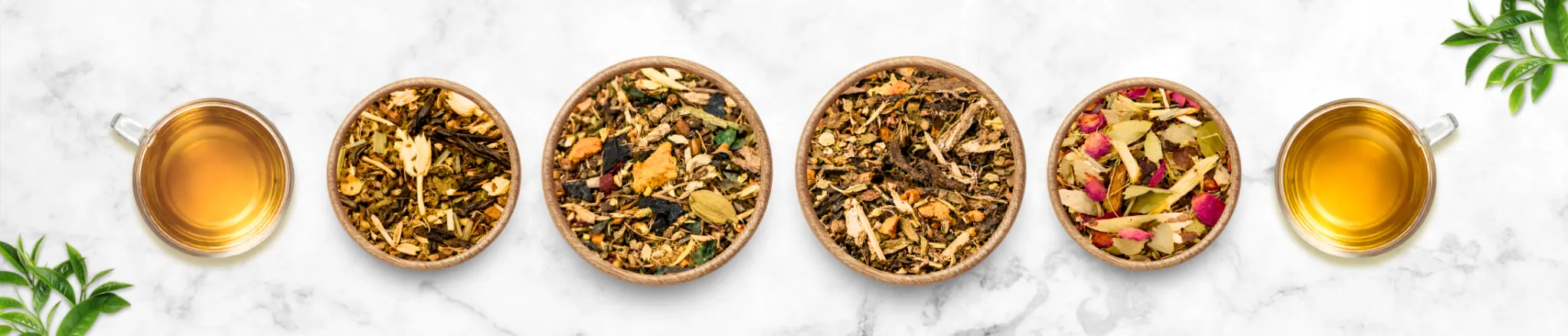
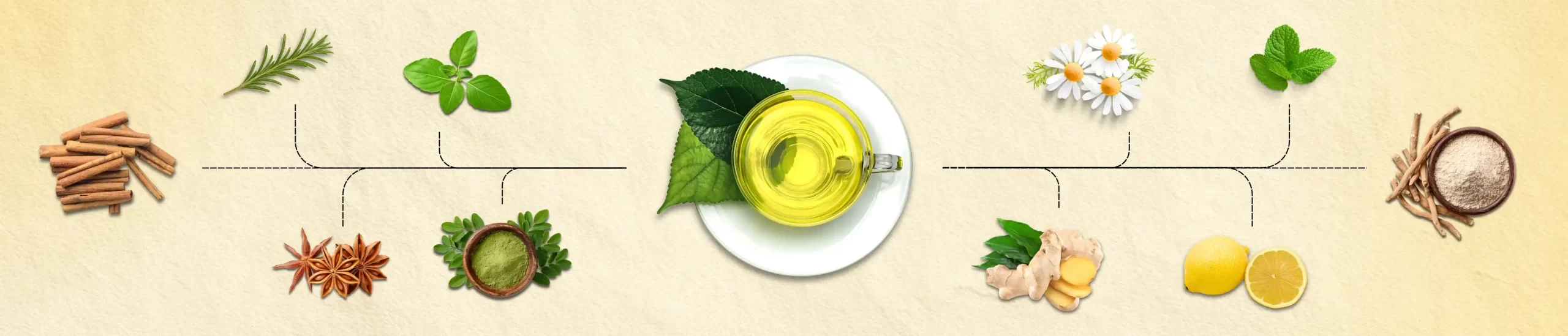
The blend brings together green tea, milk thistle, dandelion, turmeric and amla, supported by nettle, sarsaparilla, liquorice, ginger, echinacea and lemon peel. The result is layered, earthy and gently citrusy — less like an aggressive “cleanse” and more like a considered cup you can enjoy as part of your afternoon ritual.
A layered blend of green tea and traditional botanicals, designed around flavour first and mindful everyday wellness.
Brinita Liver Detox Tea is built around a green tea base with milk thistle, dandelion, turmeric and amla, alongside supporting botanicals that bring depth, warmth and brightness to the cup.
Milk thistle and dandelion create an earthy backbone, while turmeric and amla bring warmth and a gentle tang. Liquorice and ginger soften the profile with natural sweetness and a light spicy note.
Lemon peel lifts the blend with citrus brightness, while echinacea and sarsaparilla remain more subtle in the background. Nettle contributes a fresh, green character that ties the botanicals back to the green tea base.
“The idea isn’t to make tea feel medicinal. It’s to make a wellness ritual feel enjoyable enough to return to.”
— The Brinita approach to everyday wellness
Yes. Because Brinita Liver Detox Tea uses a green tea base, it naturally contains caffeine.
The word “tisane” can sometimes create confusion because herbal tisanes are often caffeine-free. In this case, the ingredient list matters most. If green tea appears among the ingredients, the beverage should be treated as containing natural caffeine.
Your liver already knows how to do the detoxifying. Tea can simply be part of the ritual around it.
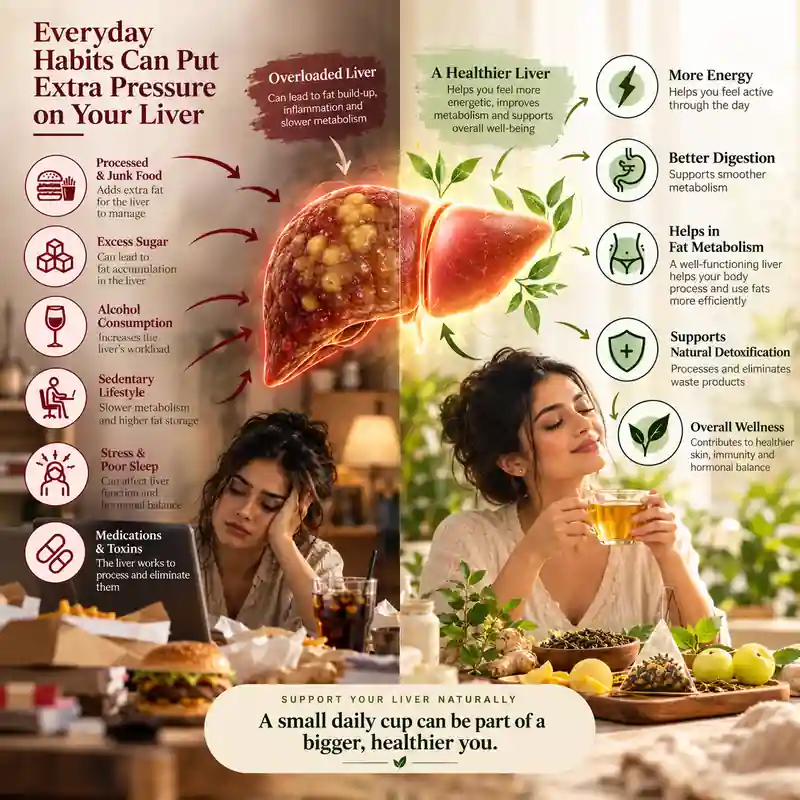
The word “detox” is often used loosely in wellness marketing. Your liver does not need a particular beverage to switch on its detoxification process. It works continuously, processing substances, metabolising nutrients and helping the body handle compounds that need to be broken down or eliminated.
The liver processes blood coming from the digestive system and plays a central role in metabolising nutrients, alcohol, medications and other compounds. Its sophisticated enzyme systems transform substances into forms that the body can process and eliminate.
This happens whether or not you drink a particular tea. A healthy liver does not need an overnight cleanse to perform its normal functions.
The most useful mindset is simple: think of liver detox tea as a supporting habit, not a therapeutic intervention.
A cup of tea can be part of the routine. It isn’t the routine itself.
Fatty liver and body weight can be connected, particularly when excess body fat and metabolic health are involved. But tea alone does not resolve fatty liver or create meaningful long-term weight loss.
Research and clinical guidance generally emphasise sustainable lifestyle changes. Even modest weight reduction can reduce liver fat, while greater reductions may bring broader improvements in people with metabolic fatty liver disease.
Body fat is stored energy, while dietary fat is one of the macronutrients you eat. Eating fat does not automatically mean that it becomes body fat. Overall energy balance, dietary quality and physical activity all matter.
Foods containing unsaturated fats — such as nuts, seeds, fish and certain plant oils — can comfortably fit into a balanced eating pattern. Meanwhile, excessive added sugar, refined carbohydrates and highly processed foods can be more relevant concerns for metabolic health than simply avoiding all dietary fat.
A practical Indian plate could include dal, seasonal vegetables, leafy greens and whole grains such as jowar, bajra or brown rice, with sensible portions of fats such as mustard or groundnut oil.
Methi, spinach, amla and other fibre-rich plant foods can add variety and micronutrients. Meanwhile, reducing frequent fried snacks, sugary beverages, refined flour-heavy foods and excess sweets may matter more than adding any single “detox” product.
“The best wellness ritual is the one that fits naturally into the life you’re already living.”
A good cup starts with simple brewing — and realistic expectations.
Follow the brewing directions printed on your specific Brinita pack, since preparation instructions may vary between products and pack formats.
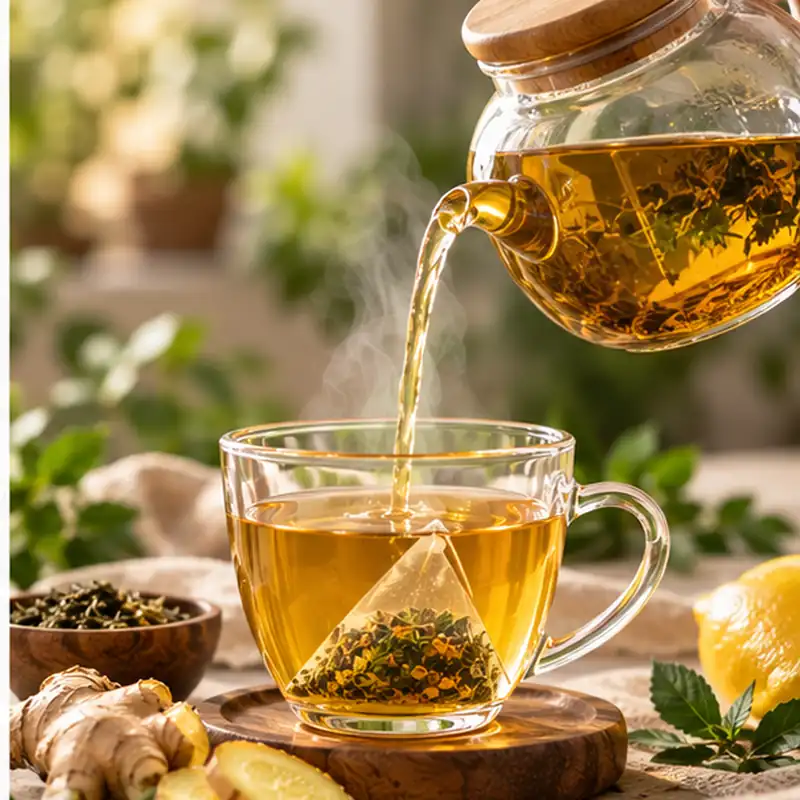
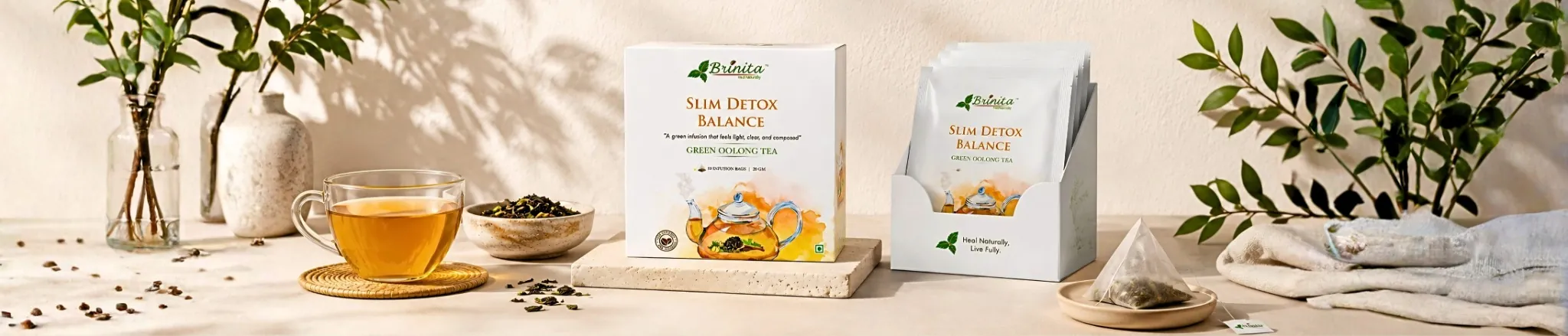
For a hot cup, steep one pyramid tea bag in approximately 200 ml of water heated to 90–100°C for 2–3 minutes, unless your pack specifies otherwise.
The pyramid shape gives the blend room to expand during steeping, helping the green tea and botanicals release their flavour into the cup.
For iced tea, use a slightly stronger brew before chilling. One practical method is to steep two tea bags in around 200 ml of hot water for 3–5 minutes, then allow the tea to cool before pouring over ice.
Let the tea be the pause — not the promise.
Brinita Liver Detox Tea works best as one small, consistent habit within a wider pattern of balanced meals, regular movement, adequate sleep and mindful everyday choices.
Its milk thistle and dandelion create an earthy base, turmeric and ginger bring warmth, amla adds gentle tang, and lemon peel keeps the finish bright. It is a cup designed to feel like a ritual rather than a prescription.
One simple switch can be replacing a sugary beverage with unsweetened tea. That change alone will not manage fatty liver, but repeated small choices can add up when they become part of your everyday routine.
Your liver doesn’t need a miracle.
It needs a lifestyle that supports the work it already does.
Explore Brinita’s Liver Detox Tisane and discover more thoughtful herbal blends.
No. Brinita Liver Detox Tea is made with a green tea base, so it naturally contains caffeine. If you are sensitive to caffeine, consider enjoying it earlier in the day and always check the ingredient list on your specific pack.
No. No single tea should be considered a treatment or cure for fatty liver disease. Management generally focuses on sustainable lifestyle changes, weight management where appropriate, dietary improvements, physical activity and medical guidance.
Tea alone does not create meaningful weight loss. It may support a healthier routine when used instead of sugary beverages, but sustainable weight management depends on overall diet, physical activity and consistent lifestyle habits.
Many people can enjoy one or two cups as part of a normal routine, provided it fits their individual needs and the directions on the specific pack. If you are sensitive to caffeine or liquorice, start conservatively and speak with a healthcare professional if unsure.
Speak with a healthcare professional before using a multi-herb blend alongside regular medication. This is particularly important because liquorice can interact with certain medicines and health conditions.
No. Brinita Liver Detox Tea is a beverage and wellness ritual, not a medical treatment. Anyone managing a diagnosed liver condition should follow their healthcare professional’s advice.
Share this post:
Discover More Articles You Might Like

When Sleep Duration Isn’t the Problem Why You Wake Up Tired — Even After Sleeping...
An Origin Story Some Legacies Are Inherited Through Names or Professions. Others Are Passed Quietly...

3 Questions I Ask Before Trusting Any Herbal Tea — Brinita From a Founder Who...

A Founder’s Note On Quitting Coffee (Sort Of) “Jab tak chai nahi, tab...
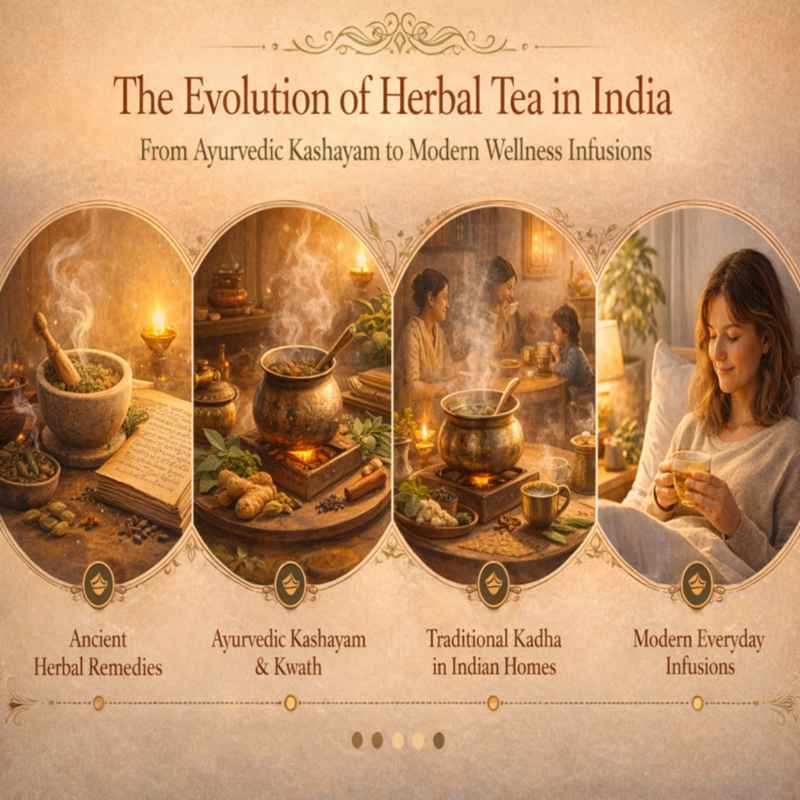
From Ancient Wisdom to Modern Wellness The Evolution of Herbal Tea in India — From...

The Journey of a Foreign Leaf How a Foreign Leaf Became Chai, Comfort, and an...
Disclaimer The statements have not been evaluated by FSSAI. This product is not intended to diagnose, cure or prevent any disease. Children and pregnant women should consult a doctor before use.

0 Comments