
Posted on — Leave a comment

10 Best Drinks for Liver Health and 5 Drinks to Avoid

LIVER WELLNESS · DAILY HABITS

Your liver works around the clock to process nutrients, filter substances, and support metabolism. You don’t need an expensive detox—better everyday drink choices can help you build a more liver-friendly routine.

The best drinks for liver health are simple: water, unsweetened coffee, green tea, and thoughtfully chosen herbal teas. Drinks high in added sugar and alcohol are the ones to limit.

Your liver already performs its own detoxification. The goal isn’t to cleanse it with a drink—it’s to support healthier habits, one choice at a time.
Brinita · Heal Naturally


THE BASICS

1What Drinks Are Good for Liver Health?

Simple choices that fit into everyday life.

A liver-friendly drink should help you stay hydrated, replace sugary beverages, avoid unnecessary calories, and make healthy habits easier to maintain.

  • Hydration: Choose water as your everyday foundation.
  • Less added sugar: Replace soda and sweetened beverages with unsweetened alternatives.
  • Mindful calories: Be aware of sugary coffee drinks, packaged juices, and sweetened teas.
  • Consistency: Choose drinks you genuinely enjoy and can include in your routine.
  • Realistic expectations: No drink can flush toxins or cure liver disease.

10 EVERYDAY OPTIONS

210 Best Drinks for Liver Health

From your first glass of water to your evening wellness ritual.

1. Water

Water is the foundation of a healthy hydration routine. It provides fluid without added sugar or calories and is an excellent replacement for soda and other sweetened drinks.

If plain water feels boring, add lemon, cucumber, mint, or a few berries for flavour.

2. Black Coffee

Unsweetened coffee is among the most studied beverages in liver health. Research has associated regular coffee consumption with better liver-related outcomes in some populations, although it is not a treatment for liver disease.

Keep it simple. Black coffee or coffee with milk or an unsweetened milk alternative is generally a better everyday choice than drinks loaded with syrups, whipped cream, and sweetened creamers.

3. Green Tea

Green tea contains naturally occurring plant compounds called catechins. It can be enjoyed hot or iced as an alternative to sugary drinks.

Brewed green tea is not the same as concentrated green-tea extract supplements. High-dose extracts have been associated with rare cases of liver injury, so avoid using them without professional guidance.

4. Herbal Tea

Chamomile, peppermint, rooibos, hibiscus, and ginger infusions offer different flavours and can make a soothing addition to your daily routine. Many herbal infusions are naturally caffeine-free, depending on their ingredients.

Choose unsweetened varieties whenever possible, especially when replacing sugary evening beverages.

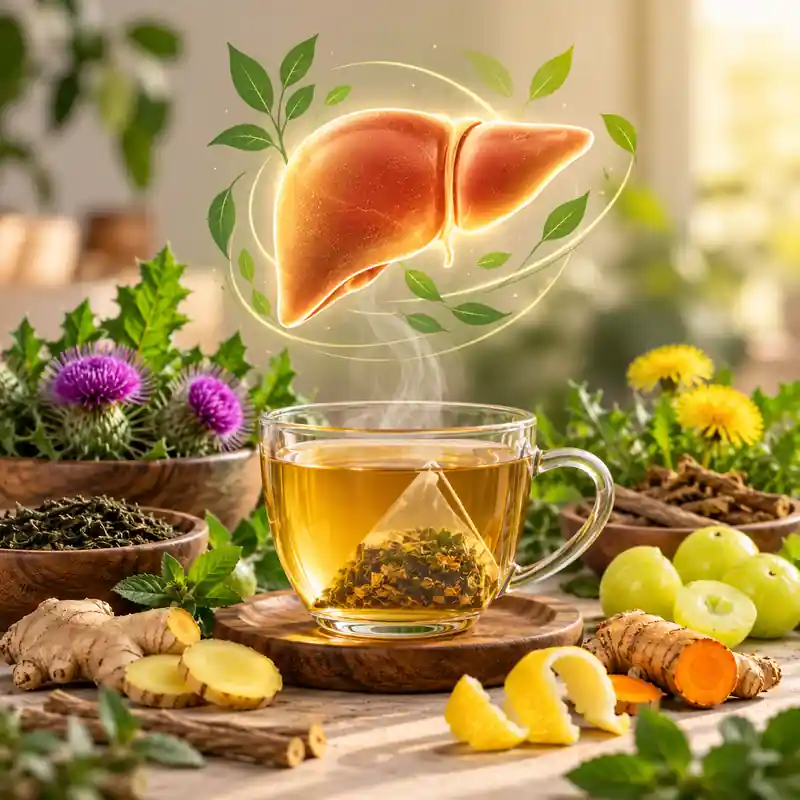
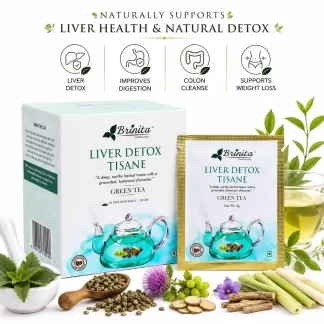
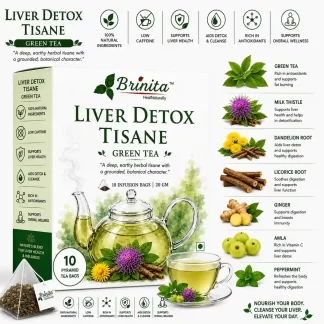
5. Brinita Liver Detox Tea

Brinita Liver Detox Tea is a green-tea-based herbal blend created for people who want a flavourful daily wellness ritual instead of a sugary drink.

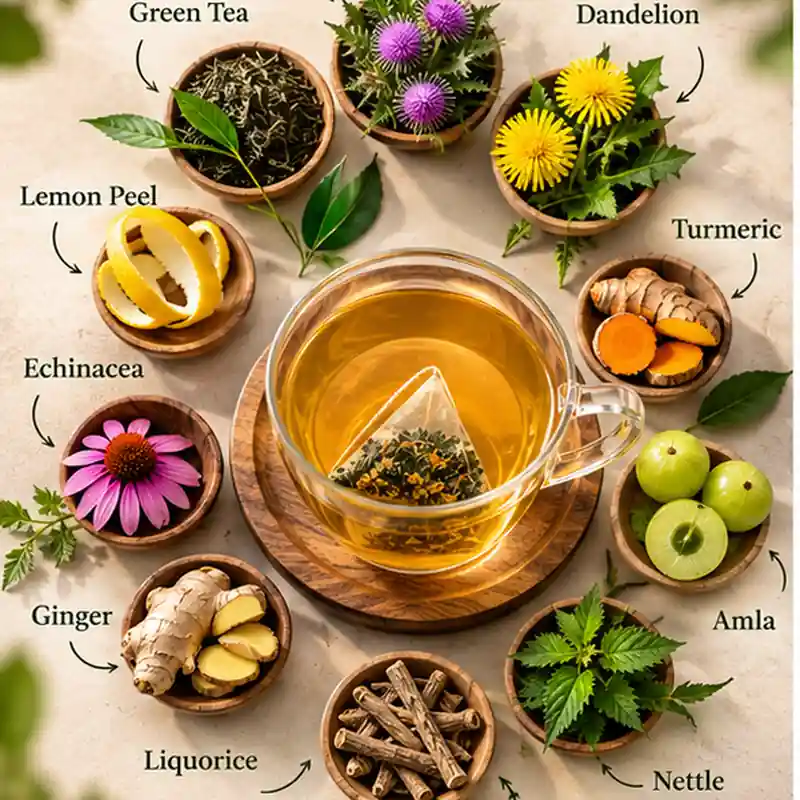
INSIDE THE BLEND

  • Green tea — provides the blend’s tea base and natural caffeine.
  • Milk thistle — a traditional botanical used in liver-wellness products.
  • Dandelion — a botanical ingredient used in herbal preparations.
  • Turmeric — a familiar ingredient in traditional wellness practices.
  • Amla — a fruit valued in traditional Indian food and wellness practices.
  • Nettle — a botanical used in herbal infusions.
  • Liquorice — contributes a naturally distinctive flavour.
  • Ginger — adds a warm, aromatic note.
  • Echinacea — an additional botanical in the blend.
  • Sarsaparilla — contributes a traditional herbal note.
  • Lemon peel — adds a bright citrus aroma.
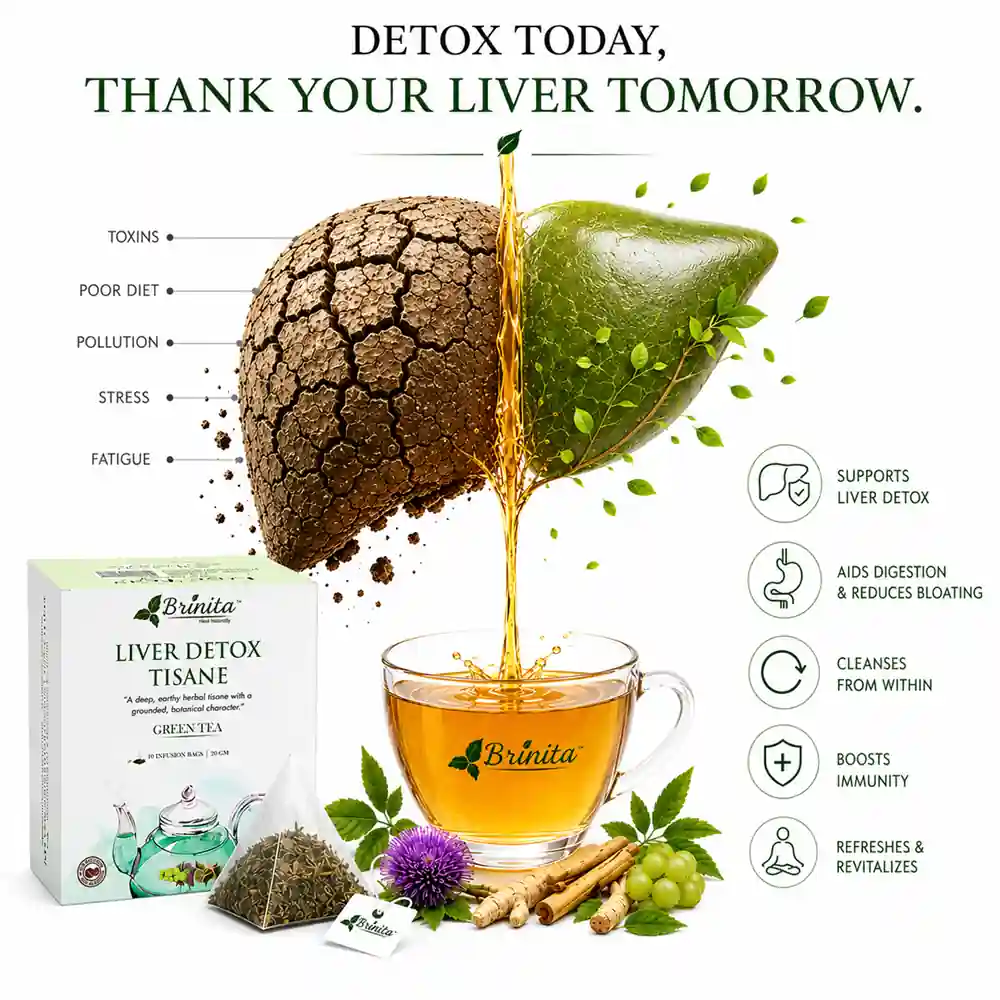
An important distinction: Brinita Liver Detox Tea is a beverage, not a medical treatment. It has not been established to detoxify the liver or reverse fatty liver disease. Its practical role is as a flavourful alternative to sugary drinks. Because it contains green tea, it also contains natural caffeine.

6. Sparkling Water

Want the fizz of soda without the added sugar? Plain sparkling water can be a useful alternative. Choose varieties without added sugar or sweetened syrups.

7. Lemon Water

Lemon water is a simple way to add flavour to your hydration routine. It does not detoxify the liver, but it may help you drink more water instead of juice or soda.

Enjoy it warm in the morning or chilled with meals, without adding sugar.

8. Unsweetened Plant Milk

Unsweetened almond, oat, soy, or pea milk can be useful alternatives to sugary creamers and flavoured coffee drinks.

Read the nutrition label carefully. Added sugars and other ingredients vary between products, so choose an option that suits your dietary needs.

9. Vegetable Juice

Vegetable juice can be an alternative to sugary beverages when it contains no added sugar and is relatively low in sodium.

Whole vegetables remain a valuable choice because they provide fibre that is often lost during juicing. When buying juice, check the ingredient list and nutrition label.

10. Coconut Water

Coconut water can be a refreshing occasional beverage, especially after exercise. It contains naturally occurring sugars, so it should not replace water as your unlimited everyday drink.

Choose plain coconut water without added sugar or flavourings.


WHAT TO LIMIT

35 Drinks to Avoid or Limit

Small swaps can help reduce excess sugar and alcohol intake.

1. Soda and energy drinksRegular soda and many energy drinks contain substantial added sugar. Frequent consumption of sugar-sweetened beverages is associated with metabolic health concerns, including a greater risk of fatty liver disease.

2. Packaged fruit juiceEven 100% fruit juice lacks much of the fibre found in whole fruit and can deliver a concentrated amount of sugar. Whole fruit is usually the more filling everyday option.

3. Sweetened coffee drinksFlavoured lattes, frappes, caramel coffees, and sweetened creamers can turn coffee into a high-sugar beverage. Try reducing syrups and choosing unsweetened or lightly sweetened versions.

4. AlcoholAlcohol can contribute to liver inflammation, fat accumulation, and scarring. If you have fatty liver disease, significant fibrosis, or another liver condition, ask your healthcare professional whether any alcohol is safe for you.

5. Sugary detox juices and cleansesProducts marketed as liver resets may contain large amounts of fruit sugar without providing a balanced source of nutrition. Your liver does not need a juice cleanse to detoxify your body.

The most useful drink swap may be the simplest one: replace a sugary beverage with water or an unsweetened alternative.
A small step towards a more mindful routine


A CLOSER LOOK

4Is Green Tea Good for the Liver?

The form you choose matters.

Brewed green tea can be part of a balanced, liver-conscious routine, particularly when it replaces a sugar-sweetened drink. It contains catechins and provides a familiar, flavourful way to enjoy an unsweetened beverage.

However, green tea is not a treatment for fatty liver disease. Rare cases of liver injury have been reported, particularly with concentrated green-tea extract supplements. Avoid high-dose extracts unless advised by a qualified healthcare professional.

Remember: Enjoy brewed tea in normal beverage amounts. Do not assume that concentrated extracts or supplements offer the same safety profile as a cup of tea.

THE BRINITA RITUAL

5Is Brinita Liver Detox Tea Good for Liver Health?

A thoughtful beverage choice—not a shortcut to liver health.

Brinita Liver Detox Tea combines green tea with botanicals including milk thistle, dandelion, turmeric, amla, ginger, and lemon peel. It is designed for people who enjoy a more flavourful alternative to everyday sugary drinks.

It does not independently reverse fatty liver disease or replace medical care. Its practical place in a healthy routine is as a beverage choice that may help you replace drinks with more added sugar.

Consider making it a swap for:

  • Sugary soda — choose an unsweetened beverage instead.
  • Sweetened chai — consider reducing added sugar in your daily cup.
  • Packaged juice — choose water or unsweetened tea more often.
  • Sugary coffee drinks — try a simpler, less-sweet alternative.
  • Late-night sugary beverages — build a calmer evening routine with a suitable caffeine-free infusion instead.

Because Brinita Liver Detox Tea contains green tea, it contains natural caffeine. It should not be described as caffeine-free.

One thoughtful swap. One mindful moment. A daily ritual built around better choices.


MAKE IT PRACTICAL

6How to Build a Liver-Friendly Drink Routine

Start with simple choices you can sustain.

A simple daily beverage routine
Time Drink idea Why it may help
Morning Water or unsweetened coffee Starts the day with hydration or an unsweetened option
Midday Water or plain sparkling water Helps replace sugary beverages
Afternoon Brewed green tea or Brinita Liver Detox Tea A flavourful alternative to sweetened drinks
Evening Lemon water or a suitable caffeine-free herbal infusion An option for a calmer, less-sweet routine
Limit Soda, sugary coffee, packaged juice, excess alcohol Reduces exposure to excess sugar or alcohol

You do not need to change everything at once. Begin by replacing one sugary drink with water or an unsweetened alternative, then build from there.

Research has associated replacing sugar-sweetened beverages with water with a lower risk of metabolic dysfunction-associated steatotic liver disease (MASLD). The estimated effect varies by study, and a drink swap alone cannot guarantee a particular reduction in risk.


YOUR QUESTIONS ANSWERED

7Frequently Asked Questions

Clear answers for everyday drink choices.

1. What is the healthiest drink for your liver?

Water is an excellent everyday choice because it hydrates without added sugar or calories. Unsweetened coffee, brewed green tea, and suitable herbal teas can also fit into a balanced routine.

2. Is coffee good for liver health?

Unsweetened coffee has been associated with better liver-related outcomes in multiple studies. These associations do not mean coffee treats liver disease, and individual tolerance and medical circumstances matter.

3. Is green tea good for fatty liver?

Brewed green tea can be part of a healthy routine, particularly when it replaces sugary drinks. It is not a treatment for fatty liver. Avoid high-dose green-tea extract supplements unless a healthcare professional recommends them.

4. Can herbal tea detox the liver?

No herbal tea has been established as a way to flush toxins from the liver. Your liver naturally processes substances in the body. Unsweetened herbal tea can still be a useful replacement for sugary drinks.

5. What drinks should I avoid for fatty liver?

Limit soda, energy drinks, packaged fruit juice, sweetened coffee drinks, sugary detox juices, and alcohol. These can add excess sugar or alcohol exposure that may worsen liver-related risks.

6. Does Brinita Liver Detox Tea contain caffeine?

Yes. The blend contains green tea, so it has natural caffeine. It is not a caffeine-free herbal infusion.

7. Can I drink Brinita Liver Detox Tea every day?

Suitability depends on the individual, the product’s serving directions, and its ingredients. If you are pregnant or breastfeeding, take medication, have a liver condition, or are sensitive to caffeine, consult a healthcare professional before regular use.

8. Can drinking water reduce fatty liver?

Water does not directly cure fatty liver. Replacing sugary beverages with water can reduce added sugar intake and support healthier dietary habits.

9. Is coconut water good for the liver?

Plain coconut water can be enjoyed occasionally, but it contains natural sugars. Choose unsweetened varieties and enjoy them in moderation.

10. What should I drink instead of soda?

Water, plain sparkling water, unsweetened tea, unsweetened coffee, and lemon water are useful alternatives. Brinita Liver Detox Tea is another option if you want a more flavourful green-tea-based beverage.


A GENTLE REMINDER

8Better Habits, One Cup at a Time

You do not need a dramatic liver cleanse. Start with better everyday choices, a balanced diet, regular movement, good sleep, and appropriate medical guidance when needed.

Replacing a sugary drink with water, unsweetened coffee, green tea, or a suitable herbal infusion is one practical step towards a more mindful routine.

Wellness isn’t about quick fixes. It’s about the little choices you return to every day.

Explore Brinita Liver Detox Teaand make your daily wellness ritual simpler, calmer, and more intentional.

Discover Brinita

Health disclaimer: This article is for general educational purposes only and is not medical advice. No beverage or herbal blend should be used to diagnose, prevent, or treat liver disease. If you have a liver condition or take medication, speak with a qualified healthcare professional about suitable dietary and herbal choices.
Posted on — Leave a comment

Fatty Liver Diet Plan: Foods to Eat, Foods to Avoid, and Where Liver Detox Tea Fits In

LIVER WELLNESS · NUTRITION · DAILY RITUALS

If your recent blood test or ultrasound mentioned fatty liver, you are not alone. The encouraging news is that early fatty liver can often improve with consistent lifestyle changes. A thoughtful fatty liver diet plan, regular movement and better everyday habits can make a meaningful difference.

A liver detox tea will not flush toxins overnight or cure fatty liver. But replacing sugary drinks with an unsweetened herbal tea can be one simple, sustainable step towards healthier daily choices.

In this guide, we explore the best foods for fatty liver, foods to limit, a practical seven-day meal plan, and how Brinita Liver Detox Tea can fit into a balanced wellness routine.


1
What Is Fatty Liver Disease?

Understanding the condition is the first step towards making informed lifestyle choices.

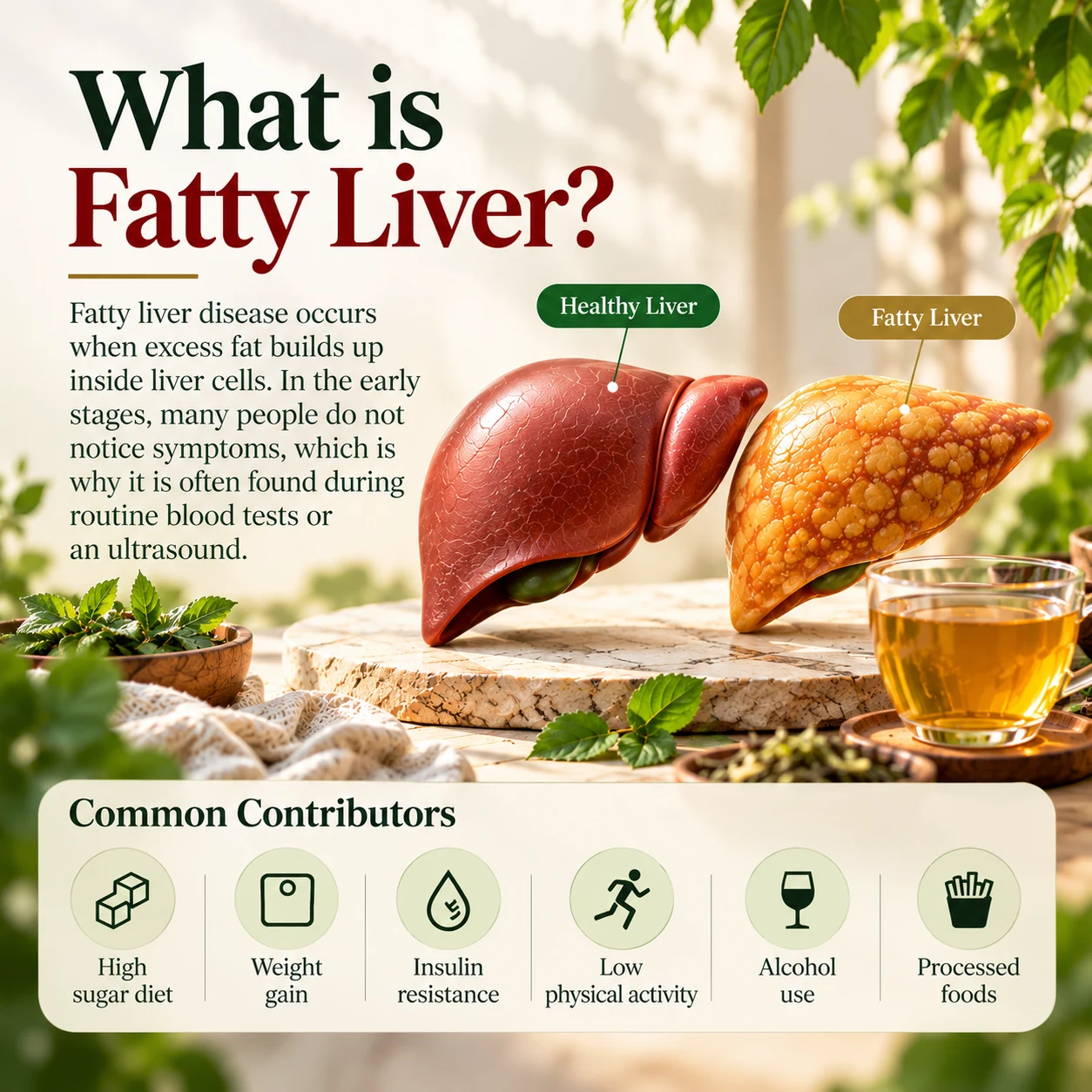
Fatty liver disease occurs when excess fat builds up inside liver cells. It is often associated with metabolic factors such as insulin resistance, type 2 diabetes and excess body weight. Many people experience no obvious symptoms in the early stages, which is why it may be discovered during routine blood tests or an abdominal ultrasound.

You may also see the terms NAFLD (non-alcoholic fatty liver disease) or MASLD (metabolic dysfunction-associated steatotic liver disease). These terms describe conditions involving excess liver fat, although the diagnostic categories are not identical.

What Can Contribute to Fatty Liver?

Excess added sugar
Frequent consumption of sugary beverages and foods can contribute to excess calorie intake and metabolic problems.
Weight gain
Excess body fat, particularly around the abdomen, can be associated with increased liver fat.
Insulin resistance
Insulin resistance and type 2 diabetes are important risk factors for metabolic fatty liver disease.
Low physical activity
A sedentary routine can make maintaining metabolic health more difficult.
Alcohol and highly processed foods
Alcohol can worsen liver health, while frequent consumption of energy-dense, highly processed foods may contribute to metabolic risk.

Your liver already performs essential processing and detoxification functions every day. The goal is not to find a miracle cleanse, but to build habits that support your health over time.


2
Can Fatty Liver Be Reversed?

For many people, especially in the earlier stages, lifestyle changes can help reduce liver fat.

Sustained weight management, balanced nutrition and regular physical activity are important parts of managing metabolic fatty liver disease. The appropriate approach depends on your health, current weight and the severity of the condition.

5%
Body-weight reduction
May help reduce liver fat
7–10%
Greater weight reduction
May improve inflammation and liver changes
Daily
Consistent lifestyle habits
Nutrition · movement · sleep

These percentages are general clinical benchmarks, not individual weight-loss targets. More weight loss is not always better, and advanced liver disease may require additional medical care.

Why Crash Diets Are Not the Answer

Extreme detoxes and rapid weight-loss programmes are not necessary for building a healthier routine. A more practical approach is to improve meal quality, increase movement gradually, reduce added sugar, get adequate sleep and limit or avoid alcohol.

Important: If you have diagnosed fatty liver disease, work with a healthcare professional to establish an appropriate treatment and weight-management plan. Lifestyle changes can help, but improvement or reversal cannot be guaranteed.

3
Best Foods for Fatty Liver

A liver-friendly diet can be simple, satisfying and built around everyday foods.

You do not need expensive supplements or complicated recipes to improve your eating habits. Focus on vegetables, whole fruits, fibre-rich foods, lean protein and healthy fats. A Mediterranean-style eating pattern is one commonly recommended approach for metabolic health.

Foods to Include More Often

  • Leafy greens: Spinach, kale, arugula and romaine.
  • Cruciferous vegetables: Broccoli, cauliflower and Brussels sprouts.
  • Legumes: Lentils, chickpeas, black beans and kidney beans.
  • Whole grains: Oats, quinoa, brown rice, barley and whole-wheat bread.
  • Lean proteins: Fish, chicken, eggs, tofu and unsweetened Greek yoghurt.
  • Healthy fats: Nuts, seeds, avocado and olive oil.
  • Fatty fish: Salmon, sardines and mackerel.
  • Whole fruits: Choose whole fruit more often than fruit juice.
  • Unsweetened drinks: Water, sparkling water, unsweetened tea and unsweetened coffee.

A healthier plate is not about eating less of everything. It is about making room for more nourishing, balanced choices.

Fibre-rich foods and balanced meals can help support blood-sugar management and make maintaining a healthy weight easier. Both are important considerations when managing fatty liver.

What Might a Liver-Friendly Indian Plate Look Like?

You can adapt these principles to Indian meals without changing your entire kitchen routine.

Half your plate: Vegetables
Include seasonal sabzi, spinach, methi, cauliflower, bhindi or other vegetables you enjoy.
One-quarter: Protein
Choose dal, chana, rajma, tofu, eggs, fish or lean chicken.
One-quarter: Whole grains or starchy foods
Consider whole-wheat roti, oats, jowar, bajra or suitable portions of brown rice.

Use oils mindfully, include whole fruits and choose water or unsweetened beverages more often. Portion sizes should be adjusted to your individual needs.


4
Fatty Liver Foods to Avoid or Limit

Small substitutions can be more practical than strict food rules.

You do not need to eliminate every food you enjoy. However, if fatty liver is a concern, reducing added sugar, excess calories and highly processed foods can be a useful starting point.

Sugary drinks
Limit regular soda, energy drinks, sweetened bottled juices and other beverages high in added sugar.
Sweetened coffee and chai
Reduce excess sugar in coffee, milkshakes and sugary chai.
Sweets and baked goods
Limit frequent servings of pastries, cakes, cookies, candy and other sweet snacks.
Refined carbohydrates
Reduce reliance on white bread, refined-flour snacks and large portions of other refined-grain foods.
Fried foods
Keep fries, chips, doughnuts and frequently fried foods occasional rather than everyday choices.
Processed meats
Limit foods such as bacon, sausages and deli meats.
Alcohol
Avoiding alcohol is the safest approach if you have liver disease, particularly if your clinician has advised abstinence.

Why Sugary Drinks Deserve Special Attention

Sugary drinks can deliver substantial amounts of sugar without providing much satiety. Replacing them with water or unsweetened tea is one of the simpler changes you can make.

Simple swap: Replace one sugary drink with water or unsweetened herbal tea. It is a practical change, not a treatment for fatty liver.

5
A Simple 7-Day Fatty Liver Diet Plan

Seven days of balanced meal ideas to help you get started.

This flexible sample meal plan uses accessible foods and does not require expensive supplements or complicated recipes. Adapt the meals to your preferences, allergies, cultural food habits and nutritional needs.

Sample 7-day meal plan
Day Breakfast Lunch Snack Dinner
Monday Oatmeal, berries and walnuts Grilled chicken salad with olive oil Apple and almonds Baked salmon, vegetables and quinoa
Tuesday Greek yoghurt, chia seeds and fruit Lentil soup and whole-grain bread Carrots and hummus Turkey stir-fry with brown rice
Wednesday Vegetable omelette and whole-grain toast Chickpea salad with lemon and olive oil Pear and walnuts Baked fish, sweet potato and broccoli
Thursday Overnight oats with cinnamon Quinoa, beans and vegetables Herbal tea and fruit Chicken and vegetable soup
Friday Spinach, berry and protein smoothie Tuna or chickpea whole-grain wrap Greek yoghurt Turkey chilli with beans
Saturday Scrambled eggs and avocado toast Salad with grilled salmon A handful of nuts Whole-wheat pasta with vegetables and olive oil
Sunday Vegetable frittata Buddha bowl with tofu or chicken Fruit and herbal tea Roast chicken, cauliflower and brown rice
Indian alternatives: Replace oatmeal with vegetable oats or dalia, salads with seasonal vegetable bowls, and quinoa with suitable portions of brown rice, jowar or bajra. Dal, chana, rajma and tofu can provide vegetarian protein.

A useful starting point: fill half your plate with vegetables, one-quarter with protein and one-quarter with whole grains or starchy vegetables.

This is a general example, not a personalised medical diet. People with diabetes, advanced liver disease or other medical conditions may need an individualised meal plan.


6
Does Liver Detox Tea Actually Work?

Understand what tea can contribute—and what it cannot promise.

Your liver already performs essential functions, including processing nutrients, metabolising substances and helping the body eliminate waste. No tea, juice or cleanse has been established as a way to rapidly flush toxins or cure fatty liver.

However, unsweetened herbal tea can still have a place in a liver-friendly lifestyle. Its practical value may come from the everyday habits it helps you build.

It can replace sugary drinks.
Choosing unsweetened tea instead of soda or sweetened beverages can help reduce added sugar intake.
It contributes to hydration.
Tea can count towards your daily fluid intake.
It creates a mindful pause.
A warm cup can make it easier to build a consistent, enjoyable daily ritual.
It can support better routines.
A planned afternoon drink may help you replace less helpful beverage habits.

The main benefit is not a miracle detox. It is the opportunity to replace a less helpful habit with a better one.


7
Brinita Liver Detox Tea: A Thoughtful Daily Ritual

A flavourful green-tea-based herbal blend for mindful everyday moments.

Brinita Liver Detox Tea combines green tea with botanicals traditionally associated with everyday wellness. Its layered flavour brings together earthy, warm and citrusy notes in a cup designed to be enjoyed as part of a balanced routine.

The blend includes 11 ingredients:

11
Listed ingredients
Green tea and botanicals
2–3 min
Suggested hot steep
Check your pack directions
200 ml
Suggested water quantity
For one hot cup

What’s Inside the Blend?

  • Green tea: The base of the blend, containing naturally occurring caffeine and polyphenols.
  • Milk thistle: A botanical traditionally associated with liver wellness.
  • Dandelion: An earthy herb that contributes depth to the flavour profile.
  • Turmeric: Adds a distinctive warm, earthy note.
  • Amla: A traditional Indian botanical known for its tangy character.
  • Nettle: Adds a green, herbal note.
  • Liquorice: Contributes natural sweetness and a rounded herbal flavour.
  • Ginger: Adds gentle warmth and spice.
  • Echinacea: Contributes to the blend’s botanical character.
  • Sarsaparilla: Adds depth to the overall herbal profile.
  • Lemon peel: Brings a bright citrus finish.

The best wellness ritual is one you can enjoy consistently—without expecting one cup to do the work of an entire lifestyle.
Brinita · Everyday wellness

Does Brinita Liver Detox Tea Contain Caffeine?

Yes. Because the blend contains green tea, it contains natural caffeine. It should not be described as caffeine-free.

If you are sensitive to caffeine, consider enjoying it earlier in the day and check the product packaging for the preparation instructions.

A note on wellness claims: Brinita Liver Detox Tea is a beverage, not a treatment for fatty liver. The presence of traditional botanicals does not establish that the finished blend can prevent, treat or reverse liver disease.

8
How to Brew Brinita Liver Detox Tea

A simple preparation ritual for a flavourful cup.

How to Prepare a Hot Cup

  • Step 1: Place one pyramid tea bag in a cup.
  • Step 2: Pour approximately 200 ml of freshly boiled water, cooled to around 90–100°C.
  • Step 3: Allow the tea to steep for 2–3 minutes.
  • Step 4: Remove the tea bag and enjoy warm.

The pyramid format allows the blend to expand during steeping, helping release the flavour of green tea and the accompanying botanicals.

How to Make Iced Tea

For a stronger iced tea, steep two tea bags in approximately 200 ml of hot water for 3–5 minutes. Allow the tea to cool, then refrigerate or pour over ice.

Always follow the instructions printed on your specific pack if they differ from these general preparation suggestions.

9
Who Should Be Careful?

Natural ingredients can still interact with medicines or be unsuitable for certain people.

Speak with a healthcare professional before drinking multi-herb teas regularly if you:

  • Have diagnosed liver disease.
  • Are pregnant or breastfeeding.
  • Take prescription medication.
  • Have high blood pressure.
  • Are sensitive to caffeine.
  • Have been advised to avoid liquorice.

Liquorice may be unsuitable for some people, particularly those managing high blood pressure or taking certain medications. Herbal ingredients can also interact with prescription medicines.

If you have fatty liver disease, use herbal tea only as a complement to appropriate medical care—not as a replacement for diagnosis, monitoring or treatment.


10
A Realistic Liver-Friendly Daily Routine

You don’t need a perfect diet. You need a repeatable routine.

  • Start with hydration. Choose water instead of juice more often.
  • Build a balanced breakfast. Include protein and fibre to help make meals more satisfying.
  • Move after meals. Try a 10–15 minute walk when practical and appropriate for your health.
  • Make one simple swap. Replace a sugary drink with unsweetened tea.
  • Eat balanced dinners. Include vegetables, protein and suitable portions of whole grains.
  • Prioritise sleep. Aim for 7–8 hours when possible, adjusting to your individual needs.
  • Limit alcohol. Follow medical advice, particularly if you have diagnosed liver disease.
  • Stay active. Choose movement you can maintain consistently.

Small habits can add up over time. A cup of Brinita Liver Detox Tea will not transform your liver overnight, but it can become an enjoyable moment within a routine built around balanced meals, movement and mindful choices.

You don’t need a seven-day cleanse.
Start with one better choice today.

Swap one sugary drink for a warm cup of Brinita Liver Detox Tea, pair it with a balanced meal and repeat the habits that work for you. Consistency—not a quick fix—is the foundation of a more sustainable wellness routine.

Explore Brinita Liver Detox Tea and discover a more thoughtful daily wellness ritual.


11
Frequently Asked Questions

What is the best diet for fatty liver disease?

A balanced diet built around vegetables, whole fruits, whole grains, legumes, lean protein, fish, nuts, seeds and healthy fats can support metabolic health. A Mediterranean-style eating pattern is often recommended. Individual needs vary, so consult a healthcare professional for personalised guidance.

What foods should I avoid if I have fatty liver?

Prioritise reducing sugary drinks, foods high in added sugar, frequent fried foods, highly processed snacks, excess refined carbohydrates and processed meats. If you have liver disease, discuss alcohol avoidance with your healthcare professional.

Can fatty liver be reversed?

In many cases, early fatty liver can improve with sustained lifestyle changes. Losing around 5% of body weight may reduce liver fat, while greater reductions may help improve inflammation and other liver changes. Results depend on the individual and the stage of disease.

Does liver detox tea really detox the liver?

No tea has been established as a way to flush toxins or replace the liver’s natural functions. Unsweetened herbal tea can be part of a healthy routine, especially when it replaces sugary beverages.

Is Brinita Liver Detox Tea good for fatty liver?

Brinita Liver Detox Tea is not a treatment or cure for fatty liver disease. It can fit into a liver-friendly routine as an unsweetened beverage, provided its ingredients are suitable for you. It does not replace medical care or a balanced diet.

Does Brinita Liver Detox Tea contain caffeine?

Yes. The blend contains green tea, which naturally contains caffeine. It is not a caffeine-free herbal tea. People sensitive to caffeine may prefer to drink it earlier in the day.

Can I drink liver detox tea every day?

Whether daily use is appropriate depends on the blend’s ingredients, your health and any medicines you take. Check the product instructions and consult a healthcare professional if you have liver disease, high blood pressure, are pregnant or breastfeeding, or take regular medication.

Can green tea harm the liver?

Regular brewed green tea differs from concentrated green-tea extract supplements. High-dose green-tea extracts have been associated with rare cases of liver injury. Avoid high-dose extracts unless recommended by a qualified healthcare professional.

Can I drink coffee if I have fatty liver?

Unsweetened coffee can fit into a liver-friendly routine for many people. Some research associates regular coffee consumption with better liver outcomes, but it is not a treatment. Limit added sugar, syrups and sweetened creamers.

Can I drink alcohol if I have fatty liver?

Alcohol may worsen liver health. If you have fatty liver disease, discuss alcohol avoidance with your healthcare professional, particularly if there is inflammation, fibrosis or another liver condition.

How much weight should I lose to improve fatty liver?

Modest weight loss can help some people. Around 5% of body weight may reduce liver fat, while 7–10% or more may improve inflammation and other liver changes. Your target should be individualised with professional guidance.

What should I drink instead of soda for liver health?

Water, sparkling water, unsweetened tea and unsweetened coffee are practical alternatives to sugary drinks. They can help reduce added sugar intake as part of a balanced lifestyle.

Is Brinita Liver Detox Tea safe with medication?

Check with a doctor or pharmacist before combining herbal blends with prescription medicines. This is particularly important for people taking blood-pressure, diabetes or other regular medication, because ingredients such as liquorice may not be suitable for everyone.

When should I drink Brinita Liver Detox Tea?

The afternoon may be a convenient time to replace a sugary drink or snack. Since the blend contains green tea and natural caffeine, avoid drinking it too close to bedtime if you are caffeine-sensitive.

Can liver detox tea help with weight loss?

Tea alone will not cause meaningful weight loss. Replacing high-calorie sugary drinks with unsweetened tea may help reduce calorie and sugar intake, but sustainable weight management depends on your overall diet, physical activity and other lifestyle factors.

Posted on — Leave a comment

Brinita Liver Detox Tisane: Liver Health and Weight Loss

LIVER WELLNESS · EVERYDAY RITUAL

There’s something grounding about wrapping both hands around a warm cup while the kettle still hums in the background. For many people in India, that pause is where a liver-focused tea fits best — not as a fix, but as a small, repeatable ritual that sits alongside healthier everyday choices.

Brinita Liver Detox Tea is a green-tea-based herbal blend created for those who enjoy a flavourful daily cup featuring botanicals traditionally associated with wellness. It is not intended to cure fatty liver, “flush” toxins or replace medical care.

The blend brings together green tea, milk thistle, dandelion, turmeric and amla, supported by nettle, sarsaparilla, liquorice, ginger, echinacea and lemon peel. The result is layered, earthy and gently citrusy — less like an aggressive “cleanse” and more like a considered cup you can enjoy as part of your afternoon ritual.


1
What Is in Brinita Liver Detox Tea?

A layered blend of green tea and traditional botanicals, designed around flavour first and mindful everyday wellness.

Brinita Liver Detox Tea is built around a green tea base with milk thistle, dandelion, turmeric and amla, alongside supporting botanicals that bring depth, warmth and brightness to the cup.

11
Botanical ingredients
Green tea + herbs
90–100°C
Suggested brewing range
For a hot cup
1–2
Cups for a daily ritual
As part of a normal routine

Which Botanicals Shape Its Flavour?

Milk thistle and dandelion create an earthy backbone, while turmeric and amla bring warmth and a gentle tang. Liquorice and ginger soften the profile with natural sweetness and a light spicy note.

Lemon peel lifts the blend with citrus brightness, while echinacea and sarsaparilla remain more subtle in the background. Nettle contributes a fresh, green character that ties the botanicals back to the green tea base.

“The idea isn’t to make tea feel medicinal. It’s to make a wellness ritual feel enjoyable enough to return to.”
— The Brinita approach to everyday wellness

Does This Blend Contain Caffeine?

Yes. Because Brinita Liver Detox Tea uses a green tea base, it naturally contains caffeine.

The word “tisane” can sometimes create confusion because herbal tisanes are often caffeine-free. In this case, the ingredient list matters most. If green tea appears among the ingredients, the beverage should be treated as containing natural caffeine.

Good to know: Always check the ingredient list and brewing instructions printed on your specific pack, particularly if you are sensitive to caffeine.

2
Can Tea Detox the Liver?

Your liver already knows how to do the detoxifying. Tea can simply be part of the ritual around it.

The word “detox” is often used loosely in wellness marketing. Your liver does not need a particular beverage to switch on its detoxification process. It works continuously, processing substances, metabolising nutrients and helping the body handle compounds that need to be broken down or eliminated.

How Does the Liver Process Substances Naturally?

The liver processes blood coming from the digestive system and plays a central role in metabolising nutrients, alcohol, medications and other compounds. Its sophisticated enzyme systems transform substances into forms that the body can process and eliminate.

This happens whether or not you drink a particular tea. A healthy liver does not need an overnight cleanse to perform its normal functions.

What Can a Wellness Tea Do — and What Can’t It Do?

✓ What it can do:
Provide a pleasant, hydrating beverage that can replace sugary drinks and become part of a consistent daily wellness routine.
✓ What it may contribute:
Botanicals such as green tea, amla and turmeric have been studied or traditionally valued for their antioxidant and general wellness properties.
✕ What it cannot do:
It cannot “flush” toxins overnight, reverse fatty liver by itself or replace medical diagnosis and treatment.

The most useful mindset is simple: think of liver detox tea as a supporting habit, not a therapeutic intervention.


3
Where Do Fatty Liver and Weight Loss Fit In?

A cup of tea can be part of the routine. It isn’t the routine itself.

Fatty liver and body weight can be connected, particularly when excess body fat and metabolic health are involved. But tea alone does not resolve fatty liver or create meaningful long-term weight loss.

Research and clinical guidance generally emphasise sustainable lifestyle changes. Even modest weight reduction can reduce liver fat, while greater reductions may bring broader improvements in people with metabolic fatty liver disease.

5%
Weight reduction
Can be associated with reduced liver fat
7–10%
Greater weight reduction
May bring broader improvements
Daily
Consistency matters
Food · movement · sleep

How Do Body Fat and Dietary Fats Differ?

Body fat is stored energy, while dietary fat is one of the macronutrients you eat. Eating fat does not automatically mean that it becomes body fat. Overall energy balance, dietary quality and physical activity all matter.

Foods containing unsaturated fats — such as nuts, seeds, fish and certain plant oils — can comfortably fit into a balanced eating pattern. Meanwhile, excessive added sugar, refined carbohydrates and highly processed foods can be more relevant concerns for metabolic health than simply avoiding all dietary fat.

Which Everyday Habits Support Liver Health?

  • Move regularly.
    Walking, strength training and other forms of physical activity can support metabolic health.
  • Prioritise sleep.
    Consistent, good-quality sleep supports overall metabolic wellbeing.
  • Watch added sugar.
    Reducing sugary drinks and highly sweetened foods is a practical everyday step.
  • Stay hydrated.
    Water and unsweetened beverages can help replace sugary drinks.
  • Moderate alcohol.
    Excessive alcohol consumption can place additional stress on the liver.
  • Eat more whole foods.
    Vegetables, legumes, whole grains, fruits and quality protein can form the foundation of a balanced diet.

What Might a Liver-Friendly Eating Pattern Look Like in India?

A practical Indian plate could include dal, seasonal vegetables, leafy greens and whole grains such as jowar, bajra or brown rice, with sensible portions of fats such as mustard or groundnut oil.

Methi, spinach, amla and other fibre-rich plant foods can add variety and micronutrients. Meanwhile, reducing frequent fried snacks, sugary beverages, refined flour-heavy foods and excess sweets may matter more than adding any single “detox” product.

“The best wellness ritual is the one that fits naturally into the life you’re already living.”


4
How to Brew and Enjoy It Safely

A good cup starts with simple brewing — and realistic expectations.

Follow the brewing directions printed on your specific Brinita pack, since preparation instructions may vary between products and pack formats.

How Do You Prepare a Hot Cup?

For a hot cup, steep one pyramid tea bag in approximately 200 ml of water heated to 90–100°C for 2–3 minutes, unless your pack specifies otherwise.

The pyramid shape gives the blend room to expand during steeping, helping the green tea and botanicals release their flavour into the cup.

How Can You Enjoy It Iced?

For iced tea, use a slightly stronger brew before chilling. One practical method is to steep two tea bags in around 200 ml of hot water for 3–5 minutes, then allow the tea to cool before pouring over ice.

Tip: If the flavour feels too strong, adjust the steeping time rather than adding sugar. Lemon peel already contributes natural citrus brightness.

Who Should Check with a Healthcare Professional?

  • People with a diagnosed liver condition should discuss herbal products with their healthcare professional.
  • People taking regular medication should check for possible herb–drug interactions.
  • Pregnant or breastfeeding individuals should seek professional advice before using multi-herb blends.
  • People sensitive to caffeine should remember that this blend contains green tea.
  • People sensitive to liquorice should take particular care, as liquorice can interact with certain medicines and health conditions.

5
Making Tea Part of a Healthy Routine

Let the tea be the pause — not the promise.

Brinita Liver Detox Tea works best as one small, consistent habit within a wider pattern of balanced meals, regular movement, adequate sleep and mindful everyday choices.

Its milk thistle and dandelion create an earthy base, turmeric and ginger bring warmth, amla adds gentle tang, and lemon peel keeps the finish bright. It is a cup designed to feel like a ritual rather than a prescription.

One simple switch can be replacing a sugary beverage with unsweetened tea. That change alone will not manage fatty liver, but repeated small choices can add up when they become part of your everyday routine.

Your liver doesn’t need a miracle.
It needs a lifestyle that supports the work it already does.

Explore Brinita’s Liver Detox Tisane and discover more thoughtful herbal blends.


6
Frequently Asked Questions

Is Brinita Liver Detox Tea caffeine-free?

No. Brinita Liver Detox Tea is made with a green tea base, so it naturally contains caffeine. If you are sensitive to caffeine, consider enjoying it earlier in the day and always check the ingredient list on your specific pack.

Can liver detox tea treat fatty liver?

No. No single tea should be considered a treatment or cure for fatty liver disease. Management generally focuses on sustainable lifestyle changes, weight management where appropriate, dietary improvements, physical activity and medical guidance.

Will drinking this tea help me lose weight?

Tea alone does not create meaningful weight loss. It may support a healthier routine when used instead of sugary beverages, but sustainable weight management depends on overall diet, physical activity and consistent lifestyle habits.

How often can I drink Brinita Liver Detox Tea?

Many people can enjoy one or two cups as part of a normal routine, provided it fits their individual needs and the directions on the specific pack. If you are sensitive to caffeine or liquorice, start conservatively and speak with a healthcare professional if unsure.

Can I drink liver detox tea while taking medication?

Speak with a healthcare professional before using a multi-herb blend alongside regular medication. This is particularly important because liquorice can interact with certain medicines and health conditions.

Is this tea a replacement for medical treatment?

No. Brinita Liver Detox Tea is a beverage and wellness ritual, not a medical treatment. Anyone managing a diagnosed liver condition should follow their healthcare professional’s advice.

Posted on — Leave a comment

The Man Who Read the Sky Before He Made Tea

1. The Sound Before the Smell

A steel pot, a rooftop in Jaipur, and the evenings that became Brinita.

I remember the sound before the smell. A steel pot clinking softly on the stove. Evening light turning gold over our rooftop in Jaipur. That sound meant one thing — Dadaji was making something.


He never announced it. He would just stand by the window for a minute, looking at the sky. Reading something only he could see. Then he would walk to the shelf where the herbs lived — small jars, cloth pouches, tulsi, ajwain, saunth — and start choosing.

Some evenings it was warm and spiced, thick with ginger, for a day that had a chill hiding in it. Other evenings it was light and cooling, for the dry, dusty days when everyone’s throat felt raw by sundown. He never got it wrong. Not because he followed a recipe. Because he was watching us, and watching the weather, the way some people watch the news.

I didn’t understand any of it back then. I just knew that whatever cup he gave me, I drank without question. It tasted like being taken care of.

We never called it a remedy. We never even called it Ayurveda — that word felt too big for what was happening in our kitchen. It was just Dadaji, doing what Dadaji did.

My mother was there too, quietly writing it all down over the years. A diary that slowly filled with what worked, what he taught her, what she learned on her own. Neither of them thought of it as something to preserve. It was just how our family looked after each other.


What We Carried Forward

Years later, when I hold a Brinita blend in my hands, I’m not just holding herbs. I’m holding those golden evenings. The quiet care. The unspoken promise that someone is watching over you.

Brinita isn’t a brand built on formulas. It’s built on feelings — the feeling of being seen, of being understood, of being cared for before you even ask.

“Main hoon na. I’m here.”
— what those evenings always meant

And that’s what every cup of Brinita carries forward — a legacy of love, brewed just for you.

Posted on — Leave a comment

Liver Detox Tea Benefits: Why a Better Cup Can Create Better Habits

BRINITA WELLNESS GUIDE

Your liver does not need a dramatic rescue mission. It needs fewer daily excuses.

Late-night food. Back-to-back meetings. One more coffee. A sugary drink because water felt boring. A weekend that somehow became a food festival.

We have all had those days.

That is when the phrase “liver detox” starts sounding attractive. You imagine a green drink, a strict plan and a brand-new version of yourself by Monday morning.

But real wellness is not that dramatic.

Your liver is not a dusty room. It is a 24/7 working engine. Treat it well—don’t panic-clean it once in a while.

Brinita Liver Detox Tisane is not here to promise a miracle cleanse. It is here to make one healthier choice feel more enjoyable: choosing a warm, botanical cup over another sugary drink, rushed snack or unnecessary coffee.

It is tea with character. Tea with layers. Tea that makes a normal break feel a little more premium.


1
Meet Your Botanical Tea Break

A layered botanical blend for a more interesting tea ritual.

Brinita Liver Detox Tisane is a green tea-based blend made with:

  • Green tea
  • Milk thistle
  • Liquorice
  • Ginger
  • Turmeric
  • Amla
  • Nettle
  • Lemongrass
  • Lemon peel
  • Echinacea
  • Sarsaparilla
  • Dandelion

That may sound like a lot—and that is exactly the point.

This is not a one-note cup. It begins with the bright lift of lemon peel and lemongrass, moves into the comforting warmth of ginger and turmeric, and finishes with the deeper, botanical character of milk thistle, nettle, dandelion and sarsaparilla.

Like a good conversation, it reveals more with every sip.

If plain green tea feels like a meeting that could have been an email, this is the more interesting version.


2
It Makes the Sugary-Drink Swap Easier

The easiest healthy habit is often not adding something new—it is swapping one small thing.

Think about your usual afternoon:

  • Cold coffee with extra sugar
  • A fizzy drink after lunch
  • Sweet chai with biscuits
  • A packaged juice that is mostly sugar
  • A “quick snack” that turns into two packets of chips

Now imagine this instead: hot water, one tea bag, three quiet minutes and a cup that smells of citrus, ginger and warming herbs.

Brinita Liver Detox Tisane gives your hands something to hold, your taste buds something interesting and your day a small pause.

When your cup has flavour, your cravings do not need to shout so loudly.

A Real-Life Example

It is 4 pm. You have been staring at your laptop since lunch. Your brain asks for coffee. Your body asks for sugar. Your inbox asks for an answer.

Brew Liver Detox Tisane first.

Drink half the cup before deciding whether you still want the cold coffee. Often, you may realise you wanted a break—not another caffeine-and-sugar hit.

Tea first. Decisions later.


3
It Makes Hydration Less Boring

Hydration is important. Enjoying it makes the habit easier.

Everyone says, “Drink more water.”

Correct advice. Slightly boring execution.

A flavourful tea can make your daily hydration routine more enjoyable. Brinita Liver Detox Tisane brings lemon peel, lemongrass, ginger, turmeric and botanicals into one cup, so drinking fluids feels less like a checklist and more like a moment you look forward to.

Hydration does not have to taste like discipline.

Try This Simple Desk Ritual

Keep a water bottle at your desk. Every time you brew a cup of tea, refill your water bottle too.

Now your tea break is doing two things:

  • Giving you a comforting warm drink
  • Reminding you to drink plain water through the day

One small habit. Two better choices.


4
It Tastes Like More Than “Healthy Tea”

A complex blend should taste like an experience—not a compromise.

Let’s be honest: many people stop drinking wellness tea because it tastes like boiled leaves and regret.

Brinita Liver Detox Tisane is made for people who want their tea to feel like an experience.

Here is what each layer brings:

Ingredient personality in the blend
Ingredient group What you may notice
Lemongrass and lemon peel A bright, clean, citrusy lift
Ginger and turmeric Gentle warmth with an earthy-spiced finish
Green tea A familiar, brisk tea base
Liquorice A smooth, naturally rounded sweetness
Milk thistle, nettle, dandelion and sarsaparilla A deeper, garden-like botanical character
Amla and echinacea A subtle tart and herbaceous complexity

Not just tea. A little botanical drama in a cup.

It is ideal for people who have tried plain green tea and thought,
“This is fine, but where is the personality?”


5
It Gives You a Proper Workday Pause

Sometimes the most useful thing about tea is that it makes you stop.

Tea does something most drinks do not: it makes you wait.

You boil the water. You steep the tea. You take the first sip. You are forced—very politely—to slow down for a few minutes.

For professionals, entrepreneurs and anyone living between notifications, deadlines and “just one more call,” that pause is valuable.

Your calendar may be full. Your cup does not have to be empty.

The 5-Minute Reset Ritual

  1. Leave your desk, even if it is just for the kitchen counter.
  2. Brew Brinita Liver Detox Tisane.
  3. Keep your phone face-down while the tea steeps.
  4. Inhale the citrusy, ginger-led aroma before taking your first sip.
  5. Finish at least a few sips before reopening your laptop.

The tea will not complete your to-do list.

But it can help you return to it feeling less rushed.

A tea break is not lost time. It is your mind catching its breath.


6
It Brings Botanical Variety to Your Routine

Familiar kitchen ingredients meet less familiar botanicals.

You may use ginger, turmeric, lemon and tulsi in your kitchen. But how often do you brew milk thistle, nettle, dandelion, echinacea and sarsaparilla into your everyday cup?

That is where a thoughtfully made herbal blend becomes interesting.

Brinita Liver Detox Tisane combines familiar, comforting ingredients with less familiar botanicals. It feels rooted in herbal tradition while still fitting into a modern workday.

The “What Does It Add?” Guide

Personality of each ingredient in the blend
Ingredient Personality in the blend
Green tea Brisk and gently energising
Ginger Warm and lively
Turmeric Earthy and golden
Amla Tangy and bright
Lemongrass Fresh and citrusy
Lemon peel Zesty and uplifting
Liquorice Smooth and naturally sweet
Milk thistle Mild and earthy
Dandelion Deep and gently bitter
Nettle Green and herbaceous
Echinacea Soft, floral-herbal notes
Sarsaparilla A root-like, rounded finish
Research note: Milk thistle is widely used in liver-focused herbal products and remains an active research area. However, clinical findings for milk thistle in liver disease are mixed or limited, so it should not be presented as a treatment.

The ingredients can be traditional. The ritual can still feel completely yours.


7
It Turns a Heavy Meal Into a Better Next Step

A big lunch does not require guilt. It simply gives you another moment to make a good choice.

A big lunch does not require guilt.

You do not need to say, “I ruined my diet.” You do not need to punish yourself with a fasting plan. And you definitely do not need to search for a 24-hour cleanse.

You need the next good choice.

That might be a short walk, a refill of water and a warm cup of tea.

A More Realistic After-Lunch Plan

  • Finish your meal without rushing
  • Wait around 20 to 30 minutes
  • Take a five-minute walk or simply move around
  • Brew Brinita Liver Detox Tisane
  • Return to your day without turning lunch into a guilt story

A heavy meal is not a failure. It is just a meal. Your next choice still counts.

Because this tisane contains green tea, enjoy it in the morning, after lunch or during the early afternoon. If caffeine affects your sleep, choose a caffeine-free Brinita blend in the evening instead.

8
It Gives You Big Flavour Without Big Effort

Big botanical energy. Zero kitchen chaos.

Making a rich herbal tea from scratch can be wonderful—if you have fresh ginger, turmeric, lemon peel, lemongrass, amla and multiple botanicals ready at home.

Most of us do not. Especially on a Wednesday afternoon between work, traffic and a hundred notifications.

That is the convenience of a ready-to-brew blend.

Brinita Liver Detox Tisane puts green tea, milk thistle, ginger, turmeric, amla, nettle, lemongrass, lemon peel, echinacea, sarsaparilla, dandelion and liquorice together in one tea bag.

No chopping. No measuring. No half-used ingredients drying in the fridge.

Big botanical energy. Zero kitchen chaos.

How to Brew It Well

  1. Bring fresh water to a boil.
  2. Let it rest for around one minute.
  3. Place one tea bag in your cup.
  4. Pour hot water and cover the cup.
  5. Steep for 3 to 4 minutes.
  6. Remove the tea bag without squeezing it.
  7. Sip it plain, or add a slice of lemon if you want extra brightness.

For a refreshing twist, brew it slightly stronger, cool it and pour it over ice.

Hot when you need comfort. Iced when you need a comeback.


9
The Right Way to Think About “Liver Detox”

Let’s keep this honest and useful.

Your liver already performs its natural detoxification functions every day. Tea cannot flush toxins, reverse liver damage or treat a liver condition. There is no shortcut that replaces nourishing food, adequate sleep, movement, medical care or moderation with alcohol.

So why drink Liver Detox Tisane?

Because a good tea can make healthier habits more attractive.

  • It can replace one sugary drink
  • It can make hydration feel more enjoyable
  • It can create a 5-minute pause in a rushed workday
  • It can become a better post-meal ritual
  • It can give you flavour without relying on excess sugar
  • It can make you feel like you are doing something kind for yourself

It is not a liver miracle. It is a lifestyle nudge.

That is more realistic—and far more sustainable.


10
Who Should Take Extra Care?

Natural does not automatically mean suitable for everyone.

Herbal tea is simple, but it is not automatically suitable for everyone.

Speak with a qualified healthcare professional before regularly using herbal blends if you are:

  • Pregnant or breastfeeding
  • Taking prescription medication or regular supplements
  • Managing liver, kidney, gallbladder or digestive conditions
  • Sensitive to caffeine
  • Preparing for surgery
  • Experiencing persistent symptoms such as severe abdominal pain, yellowing of skin or eyes, dark urine, unexplained fatigue or nausea
Herbal products and supplements can interact with medications, and high-dose herbal extracts can carry risks.

Wellness is knowing when to brew a cup—and when to ask a professional.


11
Final Sip

Better habits do not need a grand entrance.

Brinita Liver Detox Tisane will not ask you to become a different person overnight.

It simply gives you an easier way to choose a better cup today.

A citrusy, warming, botanical cup when plain tea feels boring. A premium work break when the afternoon feels long. A small nudge toward water, mindful choices and a little less sugar.

No panic cleanse. No extreme rules. No “new you by Monday.”

Just green tea, milk thistle, ginger, turmeric, amla, lemongrass, lemon peel and botanicals—blended into a cup you will want to come back to.

Better habits do not need a grand entrance.
Sometimes, they arrive quietly—with steam rising from a cup.


12
Frequently Asked Questions

What are the benefits of Brinita Liver Detox Tisane?

Brinita Liver Detox Tisane is a green tea and botanical blend with milk thistle, liquorice, ginger, turmeric, amla, nettle, lemongrass, lemon peel, echinacea, sarsaparilla and dandelion.

Its key benefits are practical and routine-based: it offers a flavourful alternative to sugary drinks, makes hydration more enjoyable, provides a refreshing workday tea break and helps you enjoy a complex herbal blend without needing to prepare multiple ingredients at home.

Does Liver Detox Tisane clean the liver?

No. Liver Detox Tisane cannot literally clean, flush or repair your liver. The liver already manages its natural detoxification functions. A liver-focused herbal tea can complement a balanced lifestyle, but it is not a medical treatment or a quick cleanse.

When should I drink Brinita Liver Detox Tisane?

Because Brinita Liver Detox Tisane contains green tea, it is best enjoyed after breakfast, after lunch or during the early afternoon. It can be an excellent alternative to cold coffee, sugary chai or fizzy drinks around 3 to 4 pm.

Avoid drinking it late in the evening if caffeine affects your sleep.

Can I drink Liver Detox Tisane every day?

For many people, one cup of tea can fit into a balanced everyday routine. Start with one cup and follow the instructions on the pack. Your ideal frequency depends on your caffeine sensitivity, health needs and overall diet.

If you are pregnant, breastfeeding, taking medication, managing a liver, kidney, digestive or gallbladder condition, consult a qualified healthcare professional before regular use.

Does Brinita Liver Detox Tisane help with weight loss?

Brinita Liver Detox Tisane is not a weight-loss product and does not directly create fat loss. It can support a weight-management routine if it helps replace sugary drinks, encourages hydration and becomes part of a balanced lifestyle with nourishing food, movement and sleep.

The goal is not to drink less food.
The goal is to make better everyday choices.

Posted on — Leave a comment

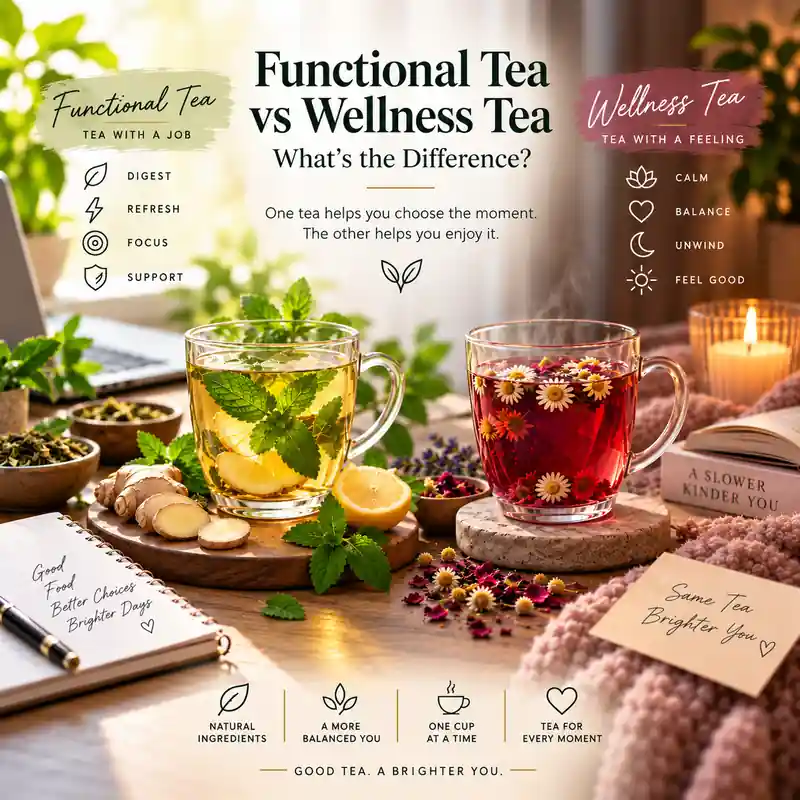
Functional Tea vs Wellness Tea: What’s the Difference?


One tea helps you choose the moment. The other helps you enjoy it.

You may drink ginger-mint tea after a heavy lunch because you want something fresh and light. That is functional tea.

You may brew a calming herbal cup at 10 pm, put your phone away and finally take a breath after a long day. That is wellness tea.

But here is the fun part: the same cup of tea can be both.

If you have ever stood in front of a tea shelf wondering,
“Do I need a digestion tea, a detox tea, a calming tea—or just a nice cup of tea?”
this guide is for you.


1
The Difference in One Line

Two ways of choosing tea. One simple idea.

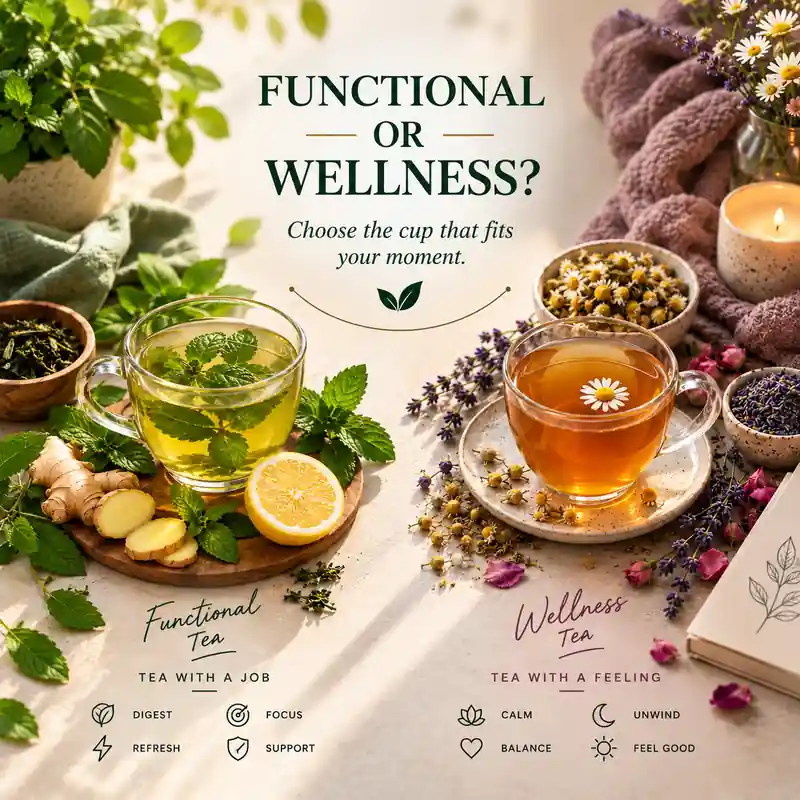
Functional tea is selected for what it does in your routine. Wellness tea is selected for how it makes your routine feel.

Functional tea has a more specific intention: a post-meal cup, a refreshing workday drink, a warming ginger-turmeric tea or a caffeine-free night-time option.

Wellness tea is broader. It is the tea you choose when you want to feel more calm, hydrated, refreshed, balanced or simply more cared for.

Which kind of tea are you looking for?
If you are thinking… You are looking for…
“I ate too much at lunch. I want something light.” Functional tea
“I want to replace my daily cold drink with something better.” Functional + wellness tea
“I need a little ritual before I begin work.” Wellness tea
“I want a warm, soothing cup after dinner.” Wellness tea
“I want a tea that suits my post-meal routine.” Functional tea
“I just want five peaceful minutes.” Wellness tea

The truth? You do not have to choose one label forever. Your tea can change depending on your day.


2
Functional Tea: Tea With a Job

A thoughtful cup chosen for a particular moment.

Functional tea is tea with an intention.

Not a miracle. Not medicine. Not a shortcut.

Just a thoughtfully blended cup designed to suit a particular moment in your day.

For example

  • Post-meal ritual: Mint, fennel, ajwain and carom seeds are often chosen for a fresh cup after food.
  • Fresh morning cup: Green tea, ginger and lemon are popular choices.
  • Warming wellness drink: Turmeric, tulsi, ginger and cinnamon create a comforting combination.
  • Caffeine-free evening ritual: Chamomile, rooibos and lavender work beautifully for a slower cup.
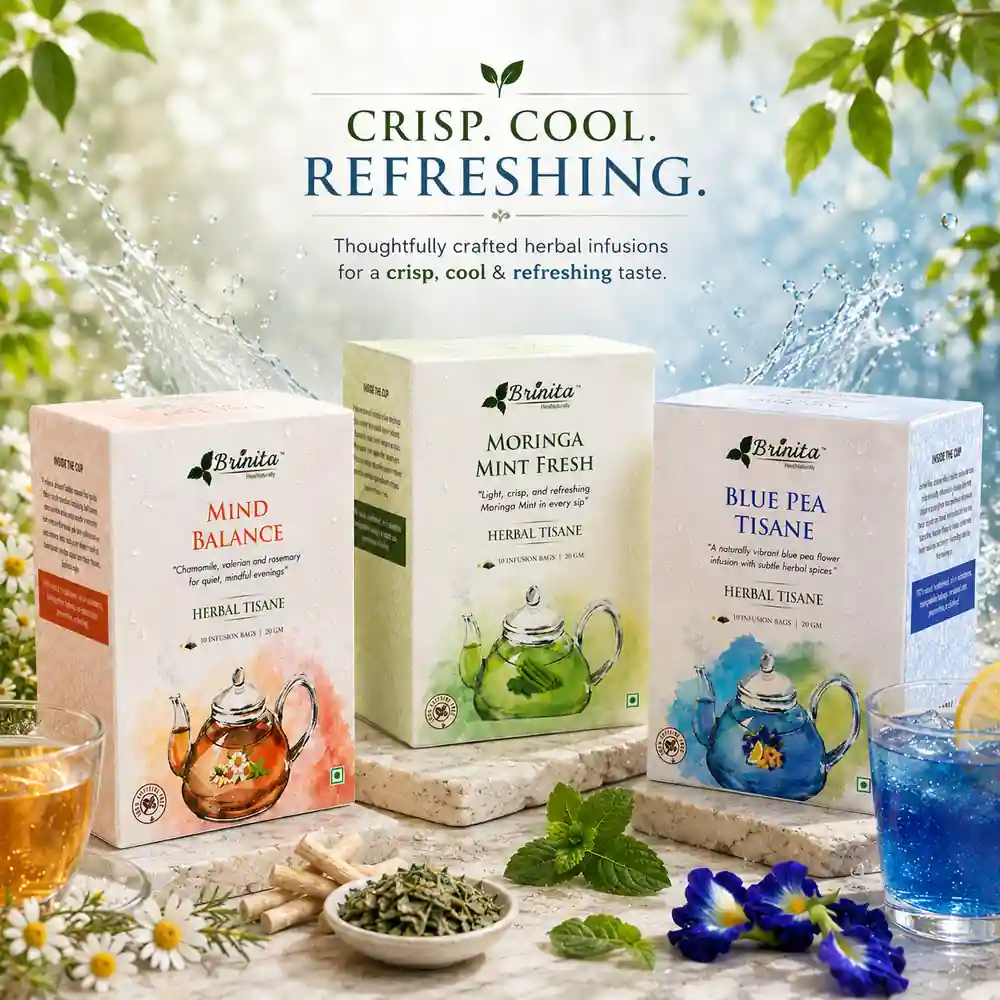
  • Colourful iced tea: Blue pea flower and lemon peel make a refreshing, vibrant option.

Think of functional tea like choosing the right shoes. You would not wear running shoes to a wedding—or party heels for a morning walk.

In the same way, you may not want a strong green tea blend at 10 pm when what you really need is a calm, caffeine-free cup.


3
Wellness Tea: Tea With a Feeling

Sometimes wellness is simply choosing a cup that makes you feel good.

Wellness tea is less about a specific goal and more about creating a better rhythm in your day.

It is the cup you make when you want to slow down without having to book a spa day, take a holiday or completely change your life.

Wellness tea can look like

  • Brewing tulsi and lemongrass after a stressful call
  • Carrying an iced blue pea tea to your desk instead of ordering another cold coffee
  • Making a floral tea while reading before bed
  • Sharing a warm cup with your family after dinner
  • Replacing one sugary drink a day with something more mindful

Wellness does not always need to be serious.

Sometimes wellness is simply choosing a cup that makes you say,
“Okay, that was nice.”


4
A Real-Life Tea Day

Let’s turn the difference into an ordinary Tuesday.

Imagine it is a regular Tuesday. Here is how different tea moments might naturally fit into your day.

8:30 am: You are starting work

You want something fresh but not too intense.

A green tea, mint and ginger blend can feel like a cleaner start than a second cup of strong coffee.

8:30
Fresh start
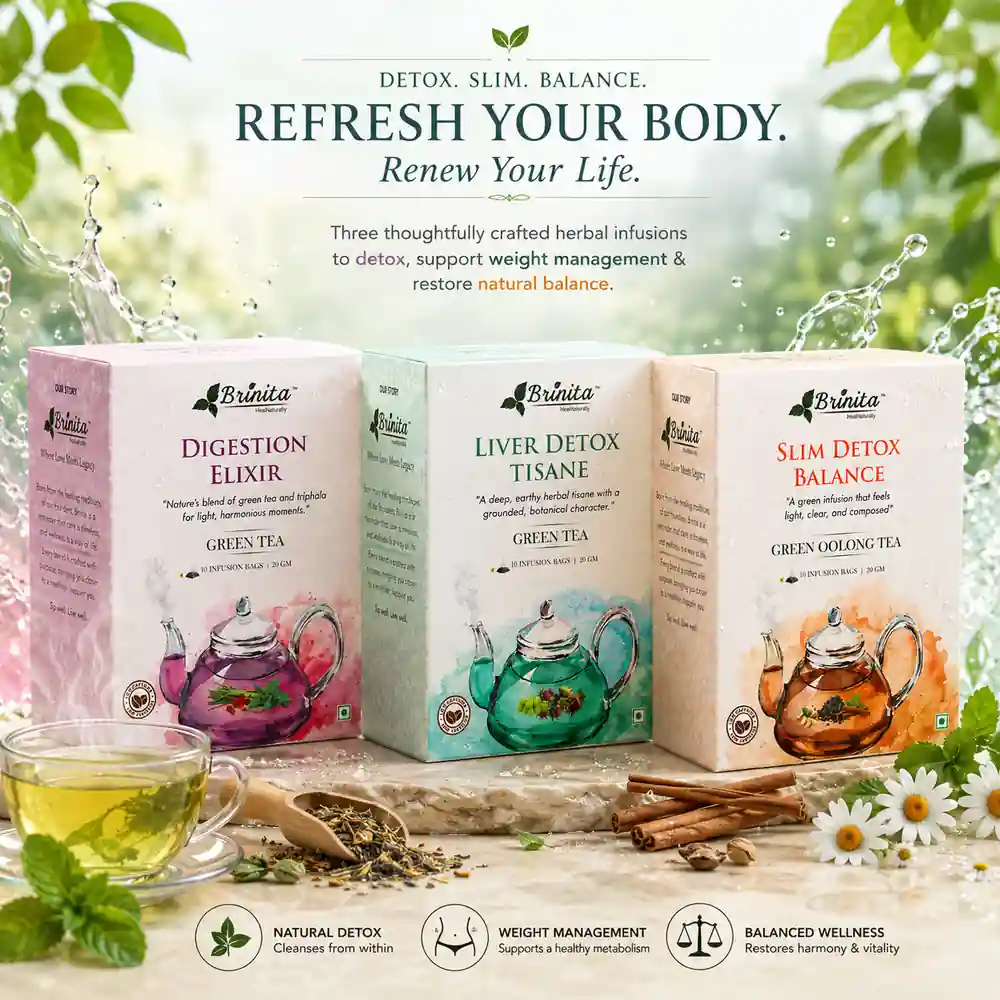
Slim Detox Balance

“`

2:30
Post-meal ritual
Digestion Tea
4:30
Afternoon pause
Blue Pea Tisane

“`

Brinita pick: Slim Detox Balance

A layered blend of green tea, oolong, mint, ginger, tulsi, turmeric, fennel, lemongrass, cinnamon, cardamom and more.

“Fresh start, clear desk, let’s do this.”

2:30 pm: Lunch was heavier than expected

Maybe it was a client lunch. Maybe it was butter chicken. Maybe it was just too much biryani.

You do not need to panic-detox. You just want a warm, refreshing post-meal ritual.

Brinita pick: Digestion Tea

It contains green tea, mint, lemongrass, cinnamon, rose, liquorice, triphala, bay leaf, carom seeds, ajwain and senna leaves.

“That meal was worth it. This is just the reset.”

Important: Because this blend contains senna, use it mindfully and according to the pack instructions. Senna is a stimulant laxative for short-term use, not an everyday “slim tea” ingredient.

4:30 pm: The snack craving arrives

Your brain says coffee. Your body may say sugar. Your inbox says you still have work.

This is a good time for a tea break that feels interesting enough to replace the usual vending-machine choice.

Brinita pick: Blue Pea Tisane

Blue pea flower, lemon peel, cinnamon, lemongrass, ginger, cardamom and black pepper make it naturally vibrant and caffeine-free.

Serve it cold with lemon and ice.

“Better than another coffee. Prettier too.”

8:30 pm: The workday is technically over

You are still thinking about tomorrow’s tasks. Your phone is nearby. You want to relax but your brain has not received the message.

This is not the time for green tea. This is the time for a calmer, caffeine-free blend.

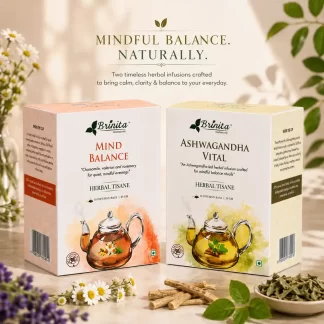
Brinita pick: Mind Balance or Ashwagandha Vital

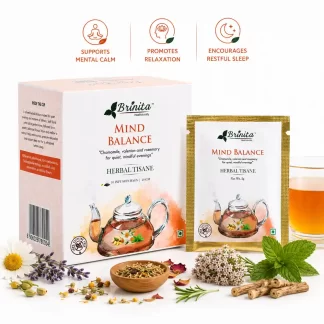
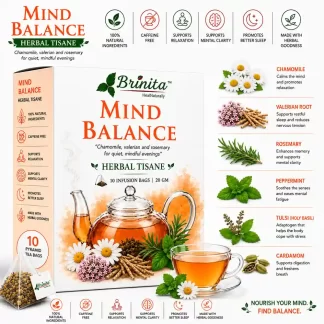
Mind Balance includes basil, mint, ginger, chamomile, rosemary and valerian root. Ashwagandha Vital includes ashwagandha, hibiscus, lemongrass, rosemary, liquorice, rose, rooibos, jasmine and lavender.

“The day is done. I can be done too.”

That one Tuesday shows the difference perfectly: each tea has a function, but each cup also creates a small wellness moment.


5
Where Brinita Fits In

Different blends for different moments—not impossible promises.

Brinita tea is not about making impossible promises. It is about giving you options for the different moments that make up a real day.

“`

For a lively, fresh start — Slim Detox BalanceSlim Detox Balance combines green tea and oolong with mint, ginger, tulsi, turmeric, moringa, fennel, lemongrass, cinnamon, cardamom and other botanicals.

It is not a “drink this and lose weight” tea. It is a more enjoyable way to begin a routine that may also include breakfast, water, movement and better food choices.

Think of it as: Your “I am choosing myself before the chaos begins” cup.

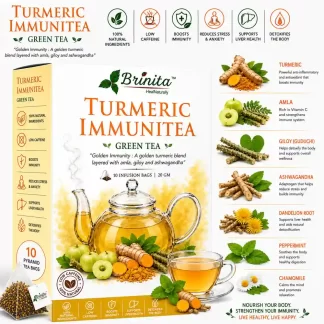
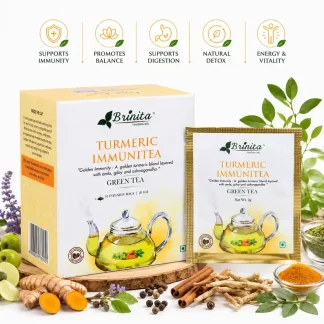
For a warm and spicy wellness ritual — Turmeric ImmuniteaTurmeric Immunitea combines green tea with turmeric, moringa, tulsi, ginger, amla, cinnamon, giloy, mint, clove and ashwagandha.

It is for people who love homemade haldi-adrak tea but want a more complex, ready-to-brew version.

Think of it as: A rainy-morning blanket, in a cup.

For botanical variety — Liver Detox TisaneLiver Detox Tisane contains green tea, milk thistle, liquorice, ginger, turmeric, amla, nettle, lemongrass, lemon peel, echinacea, sarsaparilla and dandelion.

The name is inspired by a traditional herbal-wellness category, but the tea should not be viewed as something that “cleanses,” repairs or treats the liver. Enjoy it for its bold botanical flavour and as part of a balanced lifestyle.

Think of it as: A complex herb garden, brewed warm.

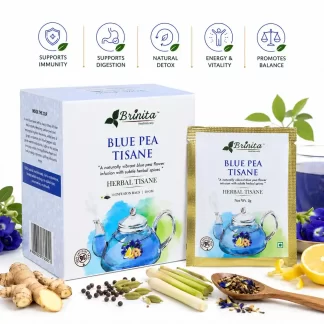
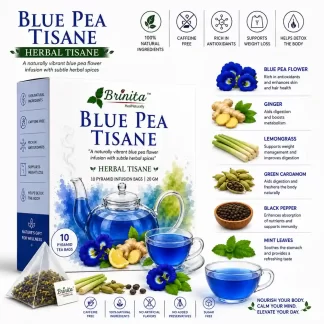
For a colourful caffeine-free break — Blue Pea TisaneBlue Pea Tisane is the tea to choose when you want your tea break to feel a little special. Add lemon to the blue infusion and enjoy the colour transformation.

Think of it as: Your ordinary tea break, with main-character energy.

For quieter evenings — Mind Balance & Ashwagandha VitalThese blends are for evenings when you need less stimulation and more stillness.

Think of it as: A gentle reminder to log off—at least mentally.

“`


6
Functional or Wellness: Which One Should You Choose?

Choose according to your moment—not the marketing label.

Here is the easiest answer: choose according to your moment, not the marketing label.

Choose functional tea when you want

  • A fresh morning tea
  • A post-meal herbal ritual
  • A warming turmeric and ginger blend
  • A caffeine-free drink after a long day
  • A more exciting alternative to plain green tea

Choose wellness tea when you want

  • Calm
  • Comfort
  • A screen break
  • A less sugary day
  • A slower evening
  • A small act of self-care

And choose both when you want tea that tastes good, fits your routine and makes your day feel a little better.

The best tea is not the one with the biggest claim on the box. It is the one you reach for again tomorrow.


7
Brew It Better, Enjoy It More

You do not need special equipment to make tea feel special.

For green tea and oolong blends

  • Use hot water, but let boiling water rest for a minute first
  • Steep for around 2 to 3 minutes
  • Avoid squeezing the tea bag—it can make tea bitter
  • Drink in the morning or early afternoon if you are caffeine-sensitive

For caffeine-free herbal blends

  • Use freshly boiled water
  • Cover the cup while it steeps
  • Steep for 5 to 7 minutes
  • Add lemon, mint or a small amount of honey if you like
  • Turn it into iced tea for a refreshing afternoon option
Tiny tea upgrade: Brew your tea in a glass cup once in a while.

Seeing the colour, steam and ingredients makes the experience feel much more intentional.

8
A Small but Important Reminder

Natural does not automatically mean suitable for everyone.

Herbal tea is not one-size-fits-all. “Natural” does not automatically mean suitable for everyone.

If you are pregnant, breastfeeding, taking regular medication, managing a health condition or are sensitive to caffeine, speak with a qualified healthcare professional before regularly using herbal blends. Herbs and supplements can sometimes interact with medicines.

Also pay attention to how you feel. If a tea causes acidity, cramps, nausea, loose motions, sleep disruption or any discomfort, stop using it and choose a milder blend.

Tea is supposed to make your day better—not complicated.


9
Final Sip

Functional tea asks: “What do I need right now?”

Wellness tea asks: “How do I want to feel right now?”

With Brinita, you can answer both questions with one thoughtful cup—whether you are starting a busy morning, recovering from a big lunch, avoiding the afternoon sugar crash or finally slowing down at night.

So, do not overthink it.

Choose the blend that suits your moment. Put the kettle on. Take a breath.

And let tea do what tea does best:
make ordinary moments feel a little more meaningful.


10
Frequently Asked Questions

What is functional tea?

Functional tea is a tea blend made for a particular daily routine or experience beyond basic refreshment. For example, a blend with mint, ajwain, carom seeds and lemongrass may be chosen for a post-meal tea ritual, while chamomile, rooibos and lavender may be chosen for a caffeine-free evening cup.

Functional tea should be enjoyed as part of a balanced lifestyle, not treated as medicine.

What is wellness tea?

Wellness tea is tea that supports everyday self-care rituals. It may help you create a calmer evening, drink more fluids, replace sugary beverages or take a mindful break during a hectic day.

Wellness tea is often more about how the tea fits into your lifestyle than about one specific purpose.

Is functional tea better than wellness tea?

Neither is better. Functional tea is useful when you want a tea that suits a specific moment, such as after meals or during the afternoon slump. Wellness tea is ideal when you want comfort, calm and a more mindful daily ritual.

Many tea blends—including Brinita blends—can be both functional and wellness-focused.

Which Brinita tea should I drink after meals?

Brinita Digestion Tea is designed as a post-meal tea ritual. It includes green tea, mint, lemongrass, cinnamon, rose, liquorice, triphala, bay leaf, carom seeds, ajwain and senna leaves.

Because it contains senna, follow the directions on the pack carefully and avoid using it as an everyday laxative tea. Senna is generally intended for short-term use only.

Can I drink functional tea every day?

Many mild tea and herbal blends can be enjoyed regularly in moderation. Check the ingredients before making any blend a daily habit. Green tea and oolong contain caffeine, while senna, liquorice, valerian and certain herbs may need extra care depending on your needs.

If you are pregnant, breastfeeding, taking medicines or managing a health condition, consult a qualified healthcare professional before using herbal teas regularly.


Posted on — Leave a comment

How to Use Detox Tea Correctly for Maximum Benefits

BRINITA WELLNESS GUIDE

Your detox tea should feel like a pause—not a punishment.

It is that warm cup between meetings, the refreshing alternative to a sugary 4 pm drink, or the calming ritual that tells your brain: the day can slow down now.
When used correctly, detox tea is not about dramatic cleanses, skipped meals or chasing overnight results. It is about turning a simple cup of tea into a healthier everyday habit.

The secret is simple: choose a blend that suits your moment, brew it properly, drink it consistently and let it support—not replace—the foundations of wellness: nourishing food, water, movement and sleep.


1
First, Forget the “Quick Detox” Myth

Detox tea works best as a wellness ritual—not a shortcut.

Let’s be honest: no tea can erase a weekend of late-night food, poor sleep and stress by Monday morning.

Your liver and kidneys already do the important work of processing waste in your body. A tea cannot “flush out toxins” overnight or melt fat while you sit at your desk. Some detox products may create quick changes on the weighing scale through laxative effects or loss of water—not fat loss.

“Instead of asking how quickly detox tea will work, ask what healthy habit this cup can help you build.”

But that does not mean tea has no place in a wellness routine.

A thoughtfully brewed cup can help you:

  • Drink more fluids through the day
  • Reduce the habit of reaching for sweet drinks
  • Build a mindful routine after meals
  • Enjoy real flavours from herbs and spices
  • Create small moments of calm in a busy day

The real benefit begins when tea becomes part of a realistic routine rather than a dramatic “cleanse”.


2
Pick Your Tea Like You Pick Your Playlist

Different moments call for different cups.

You would not play the same song for a workout, a road trip and bedtime. Tea works the same way.

A fresh mint-and-ginger blend feels different from a warm turmeric cup. A lively green tea blend may be perfect before a busy workday, while a caffeine-free floral infusion belongs in the evening.

Your tea map for the day

Choose your Brinita blend by the moment
Your moment What to look for Brinita blend to explore
“I need a fresh start.” Green tea, mint, ginger, lemon, tulsi Slim Detox Balance
“Lunch was heavier than planned.” Mint, ajwain, carom seeds, fennel, lemongrass Digestion Tea
“It’s 4 pm and I want something better than another coffee.” Green tea, oolong, citrus, cinnamon Slim Detox Balance or Liver Detox Tisane
“I want something warm, spicy and comforting.” Turmeric, ginger, tulsi, amla, cinnamon Turmeric Immunitea
“I want a beautiful, caffeine-free drink.” Blue pea flower, lemon peel, herbs and spices Blue Pea Tisane
“I need to slow down.” Chamomile, rooibos, lavender, basil, valerian Mind Balance or Ashwagandha Vital

The easiest tea routine is not the most complicated one. It is simply knowing which cup fits the moment you are in.


3
Brew It Like You Mean It

Good tea deserves a little patience.

Even a beautiful blend can taste disappointing when brewed in a hurry.

Think of brewing as giving the ingredients enough time to introduce themselves. Ginger needs warmth. Mint needs a little patience. Green tea needs gentleness. Herbs and flowers need a few quiet minutes under a covered cup.

For green tea and oolong blends

Green tea does not love violently boiling water. It can turn bitter quickly, especially if left too long.

  1. Boil water, then let it sit for about a minute.
  2. Pour it over one tea bag or the recommended serving.
  3. Steep for 2 to 3 minutes.
  4. Remove the tea bag without squeezing it.
  5. Sip before adding sugar—you may be surprised by the natural flavour.
Best for: Brinita Slim Detox Balance, Liver Detox Tisane & Turmeric Immunitea

For herbal and caffeine-free blends

Herbal teas are more relaxed. They need hotter water and a little more time to open up.

  1. Use freshly boiled water.
  2. Cover your cup with a small plate while the tea steeps.
  3. Wait 5 to 7 minutes.
  4. Add lemon, mint or a tiny bit of honey only if you want to.
  5. Drink it warm—or cool it and pour over ice.
Best for: Brinita Blue Pea Tisane, Mind Balance & Ashwagandha Vital

Small upgrade: try brewing Blue Pea Tisane in a clear glass cup. Add a squeeze of lemon and watch the colour shift. It turns a normal tea break into a mini experience.


4
Time Your Tea, Don’t Force It

There is no magical “detox tea time”—but there are smart times.

Morning: Start, don’t shock

Start with a glass of water. Then enjoy tea with breakfast or after a light meal—especially if you tend to get acidity from green tea, lemon or ginger on an empty stomach.

AM
Fresh & focused
Slim Detox Balance

“`

PM
Mindful reset
Digestion Tea
4 PM
A better pause
Blue Pea Tisane

“`

For a fresh, focused start, try Brinita Slim Detox Balance. It contains green tea, oolong, mint, ginger, tulsi, turmeric, moringa, fennel, lemongrass, cinnamon, cardamom and other botanicals for a layered, gently spiced cup.

After lunch: Make room for a reset

The post-lunch slump is real. Instead of jumping straight back to messages, take five minutes to brew something warm. Mint, ajwain, carom seeds and lemongrass can make a comforting post-meal tea ritual.

Brinita Digestion Tea combines green tea, mint, lemongrass, cinnamon, rose, liquorice, triphala, bay leaf, carom seeds, ajwain and senna leaves. It has a stronger, herb-forward profile designed for mindful post-meal use.

Afternoon: Outsmart the 4 pm craving

Before reaching for a cold coffee, chips or a sugary beverage, make a cup of tea first.

If you want something gently energising, choose a green tea or oolong blend. If you want something refreshing without caffeine, go for Brinita Blue Pea Tisane with ice and lemon.

Evening: Make it your “switch-off” signal

Your evening tea does not need to solve anything. It can simply be a signal that your workday is over.

Dim the lights, put your phone away for ten minutes and brew a caffeine-free herbal cup. Brinita Mind Balance includes basil, mint, ginger, chamomile, rosemary and valerian root. Brinita Ashwagandha Vital combines ashwagandha, hibiscus, lemongrass, rosemary, liquorice, rose, rooibos, jasmine and lavender.

One cup. No scrolling. No multitasking. Just a reset.


5
One Cup First. Then Listen.

Your tea routine should work with your body and your life.

The wellness world often tells you that more is better: more supplements, more workouts, more restrictions, more “detox.”

But when it comes to herbal tea, begin simply.

Start with one cup a day for the first week. Notice what you actually like. Maybe ginger wakes you up. Maybe blue pea tea becomes your favourite afternoon drink. Maybe a calming herbal blend becomes your evening ritual.

Pay attention to

  • Your energy level
  • Your sleep
  • Your digestion
  • Any acidity or discomfort
  • How caffeine affects you
  • The flavour profiles you genuinely look forward to

The best tea routine is not the one with ten rules. It is the one you want to repeat tomorrow.


6
A Note About Senna: Read This Before You Brew

Not every herbal ingredient is meant for everyday use.

Some digestion teas contain senna leaves, a stimulant laxative used for short-term relief of occasional constipation. Senna does not burn fat. If it changes the number on the scale, that can be due to bowel emptying or water loss—not meaningful fat loss.

Important: Brinita Digestion Tea includes senna leaves, so it should be used more thoughtfully than an everyday peppermint or tulsi tea.

A sensible approach

“`

Follow the serving instructions
Use the recommended serving on the pack.
Use it occasionally
Do not turn it into a daily “detox” habit.
Do not double up
Do not combine it with another laxative product.
Stay hydrated
Make sure you continue drinking enough water.
Listen to discomfort
Avoid continued use if it causes cramps, loose motions or discomfort.
Seek professional advice
Speak with a healthcare professional if constipation is ongoing.

“`

Senna is generally recommended only for short-term use. The NHS advises using it for a few days and not more than one week unless a clinician recommends otherwise.


7
Let Tea Support the Bigger Picture

Tea is one small ritual inside a much bigger wellness routine.

A tea ritual can be powerful, but it works best when it sits alongside the habits that truly support long-term wellbeing.

Pair your tea with

  • A protein- and fibre-rich breakfast
  • A water bottle on your desk
  • A short walk after lunch
  • Less sugary drinks
  • A more regular sleep schedule
  • A few mindful minutes away from your screen

You do not need a perfect routine. You need a realistic one.

Better wellness does not always begin with doing more. Sometimes, it begins with putting the kettle on.

Instead of promising yourself an impossible “seven-day detox,” try this: drink one cup of tea after lunch, walk for ten minutes and carry a water bottle. Repeat it for a week. Simple habits often outlast dramatic plans.


8
Build Your Brinita Tea Ritual

Some days call for fresh. Some call for comfort. Some call for calm.

That is why an assorted tea collection can be such a lovely place to start. Rather than committing to one flavour every day, you can choose a Brinita blend based on your mood, meal or moment.

“`

Slim Detox Balance
Choose it when you want a fresh, green tea-led morning ritual with mint, ginger, tulsi, turmeric and spices.
Digestion Tea
Choose it for mindful, occasional post-meal use—while taking extra care because it contains senna.
Liver Detox Tisane
Choose it when you want a botanical cup with green tea, milk thistle, turmeric, ginger, amla, nettle, lemon peel and dandelion.
Turmeric Immunitea
Choose it when you are craving the familiar warmth of turmeric, tulsi, ginger, cinnamon and clove.
Blue Pea Tisane
Choose it when you want a vivid, caffeine-free cup that looks as good as it tastes.
Mind Balance & Ashwagandha Vital
Choose them when the day calls for a slower, softer ritual.

“`

The best part? You do not have to choose perfectly. Just start with the blend you are most curious about, brew it with care and make space to enjoy it.

Because sometimes, better wellness does not begin with doing more.
Sometimes, it begins with putting the kettle on.


9
Frequently Asked Questions

How many cups of detox tea should I drink per day?

If you are new to detox tea, begin with one cup a day. This gives your body time to adjust to ingredients such as green tea, ginger, turmeric, spices or herbs. Once you know how a blend feels for you, you may add another mild herbal cup later in the day.

Always follow the serving instructions on the pack. More tea does not automatically mean more benefits.

Should I drink detox tea on an empty stomach?

You can drink a mild herbal tea on an empty stomach if it feels comfortable. However, green tea, lemon, ginger and spice-heavy blends may cause acidity or nausea for some people when taken before food.

If you experience discomfort, enjoy your tea after breakfast or with a light snack. There is no benefit in forcing an empty-stomach tea routine that does not suit you.

What is the best time to drink detox tea for weight management?

There is no magic time that makes detox tea cause weight loss. The most useful time is when it helps replace an unhelpful habit—for example, swapping a sugary afternoon drink for tea or creating a mindful pause before reaching for snacks.

A green-tea-based blend such as Brinita Slim Detox Balance works well in the morning or early afternoon. For evening, choose a caffeine-free blend such as Brinita Blue Pea Tisane, Mind Balance or Ashwagandha Vital.

Can I drink detox tea every day?

Many mild herbal teas can be enjoyed regularly in moderation. However, it is important to check each blend’s ingredients. Green tea and oolong contain caffeine, so they may be better earlier in the day. Herbal blends with valerian may be better suited to evening use.

Do not use senna-containing teas as an everyday beverage. Senna is intended for short-term use and should generally not be taken for more than one week unless a healthcare professional advises it.

Does detox tea really help with weight loss?

Detox tea by itself does not create sustainable fat loss. A temporary change on the scale can sometimes result from fluid loss or laxative effects, which is not the same as losing body fat.

Tea can still be useful in a weight-management routine when it helps you drink more fluids, replace sugary beverages and build a more mindful relationship with food and snacking. For lasting results, pair tea with balanced meals, regular movement, sleep and hydration.

Posted on — Leave a comment

Detox Tea Recipes for Beginners: 5 Easy Herbal Rituals to Start Today


A detox tea routine does not need to be complicated, restrictive or filled with hard-to-find ingredients. For beginners, the best approach is simple: choose ingredients you enjoy, brew one comforting cup at a time, stay hydrated and make tea a small moment of pause in your day.

Think of detox tea not as a quick fix, but as a daily wellness ritual. A warm herbal infusion can make it easier to drink more fluids, slow down after a meal, replace sugary beverages and enjoy the naturally refreshing flavours of ginger, mint, tulsi, fennel, turmeric and lemon.

5 Easy Herbal Rituals to Start Today

Here are five easy detox-inspired tea recipes you can make at home — followed by a simple guide to choosing a ready-made herbal blend when life gets busy.


What Is Detox Tea?

Detox tea is generally a blend of herbs, spices, flowers or tea leaves chosen for their refreshing taste and traditional role in wellness rituals. Ingredients such as ginger, lemon, mint, fennel, tulsi and turmeric are commonly used in home remedies and herbal infusions.

It’s worth keeping expectations realistic. Your body already has natural systems — including the liver and kidneys — that process waste. Tea is not a substitute for a balanced diet, sleep, movement, hydration or medical care. But a thoughtfully brewed cup can be a gentle addition to healthy everyday habits. For beginners, aim for one enjoyable cup a day rather than an intense “cleanse.”


1Lemon, Ginger and Turmeric Morning Tea

Best in the morning, as a warm alternative to chai or coffee

This warm, bright infusion is one of the easiest ways to begin a morning tea ritual. Ginger brings gentle heat, turmeric adds an earthy note and lemon makes the final cup taste clean and fresh.

Ingredients

  • 1 cup water
  • ½ inch fresh ginger, sliced or grated
  • ¼ teaspoon turmeric powder, or a few slices of fresh turmeric
  • Juice of ½ lemon
  • A tiny pinch of black pepper
  • Optional: ½ teaspoon honey

Method

  1. Add ginger and turmeric to water and simmer for 5 to 7 minutes.
  2. Switch off the heat and add a tiny pinch of black pepper.
  3. Let the tea cool slightly before adding lemon juice.
  4. Add honey if you prefer a touch of sweetness.
  5. Strain and enjoy warm.

2Mint, Fennel and Coriander Tea

Best after lunch or dinner, when you feel a little heavy

This aromatic blend is a simple post-meal ritual. Fennel has a naturally sweet fragrance, coriander adds a mild citrusy note and mint makes the cup feel cooling and refreshing.

Ingredients

  • 1 teaspoon fennel seeds
  • 1 teaspoon coriander seeds
  • 8 to 10 fresh mint leaves, or 1 teaspoon dried mint
  • 1½ cups water

Method

  1. Lightly crush the fennel and coriander seeds.
  2. Add them to water and simmer for 5 minutes.
  3. Switch off the heat, add mint leaves and cover the cup or pan.
  4. Steep for another 5 minutes.
  5. Strain and sip slowly after your meal.

3Green Tea, Lemon and Cinnamon Energiser

Best in the morning or early afternoon — it does contain caffeine

If you are looking for a clean, slightly energising cup during the workday, this recipe is a great option. Green tea provides a familiar base, while lemon and cinnamon make it taste more interesting than a plain tea bag.

Ingredients

  • 1 green tea bag or 1 teaspoon loose green tea
  • 1 cup hot water
  • Juice of ¼ to ½ lemon
  • A small piece of cinnamon stick or a tiny pinch of cinnamon powder

Method

  1. Pour hot water over the green tea. Avoid boiling-hot water if possible, as it can make green tea bitter.
  2. Steep for 2 to 3 minutes only.
  3. Remove the tea bag or strain the leaves.
  4. Add lemon juice and cinnamon.
  5. Enjoy warm, or pour over ice for a refreshing afternoon drink.

4Tulsi, Ginger and Lemongrass Tea

Best in the evening, in place of another coffee

This fragrant herbal tea feels especially comforting during busy, stressful weeks. Tulsi has a distinctive herbal aroma, ginger adds warmth and lemongrass brings a fresh citrus-like finish.

Ingredients

  • 8 to 10 fresh tulsi leaves, or 1 teaspoon dried tulsi
  • ½ inch fresh ginger, sliced
  • 1 small stalk lemongrass, bruised, or 1 teaspoon dried lemongrass
  • 1½ cups water
  • Optional: honey or a squeeze of lemon

Method

  1. Add ginger and lemongrass to water.
  2. Simmer for 5 minutes.
  3. Add tulsi, switch off the heat and cover for 4 to 5 minutes.
  4. Strain the tea.
  5. Add honey or lemon only if needed.

5Hibiscus and Lemon Cooler

Best on warm afternoons, hot or iced

Not every wellness tea needs to be served hot. Hibiscus makes a naturally deep pink-red infusion with a bright, tangy flavour — especially refreshing as an iced tea.

Ingredients

  • 1 teaspoon dried hibiscus flowers
  • 1 cup hot water
  • Juice of ¼ lemon
  • Optional: honey, jaggery or a few mint leaves
  • Ice cubes for a chilled version

Method

  1. Add hibiscus to hot water and cover.
  2. Steep for 5 to 7 minutes.
  3. Strain and add lemon juice.
  4. Sweeten lightly if required.
  5. Drink warm, or cool it and serve over ice with mint leaves.

A Beginner’s Detox Tea Routine

The easiest way to make tea a lasting habit is to match it to your day rather than forcing a strict routine.

Match your ritual to your day
Time of Day Tea Ritual to Try
Morning Lemon, ginger and turmeric tea or green tea with lemon
After lunch Mint, fennel and coriander tea
Afternoon Hibiscus and lemon cooler
Evening Tulsi, ginger and lemongrass tea
After a heavy meal A mild fennel- or mint-led infusion

Start with one cup a day for the first week. Pay attention to how you feel, which flavours you genuinely enjoy and what time of day you are most likely to keep the ritual going.

The “best” tea is not the strongest one.
It is the one you will enjoy consistently.


When a Ready-Made Blend Makes Sense

DIY tea is wonderful when you have fresh ingredients, time to simmer them and the mood to experiment. But some days begin with rushed mornings, back-to-back meetings, traffic, deadlines and meals eaten between tasks. That is when a thoughtfully formulated tea blend can be useful.

A ready-made blend brings together complementary ingredients in measured portions, so you can enjoy a more layered cup without collecting, chopping and storing ten different herbs and spices at home. It also helps you build a repeatable daily ritual — simply boil water, steep and sip.

Find a Brinita Blend for Your Routine

Brinita’s assorted herbal-tea collection is designed for people who enjoy exploring different flavours and want to make wellness tea a more regular part of their day. Instead of choosing one tea for every moment, you can choose a blend based on what your day feels like.

For a fresh morning ritual — Slim Detox Balance. Green tea with mint, cinnamon, liquorice, rooibos, ginger, tulsi, jasmine, moringa, turmeric, gymnema sylvestre, ashwagandha, fennel, lemongrass, long pepper, pipli, cardamom and oolong. A complex blend with fresh, floral, warm and mildly spiced notes — a good option if you enjoy starting the day with something more flavourful than plain green tea.
For a post-meal ritual — Digestion Tea. Green tea, mint, lemongrass, cinnamon, rose, liquorice, triphala, bay leaf, senna leaves, carom seeds and ajwain. The mint, ajwain and carom-seed profile makes it a natural fit after meals. Because this blend contains senna leaves, follow the pack directions and use it mindfully rather than as an everyday laxative.
For a warming, spice-forward cup — Turmeric Immunitea. Green tea, turmeric, moringa, tulsi, ginger, amla, cinnamon, giloy, mint, clove and ashwagandha. If you enjoy homemade ginger-turmeric tea but want something more layered, this adds warming spices and traditional botanicals to your routine.
For a botanical herbal infusion — Liver Detox Tisane. Green tea, milk thistle, liquorice, ginger, turmeric, amla, nettle, lemongrass, lemon peel, echinacea, sarsaparilla and dandelion. Best enjoyed as a flavourful part of an overall balanced lifestyle — “detox” here simply means a mindful hydration habit, not a claim that tea can cleanse or repair the liver.
For a caffeine-free, colourful cup — Blue Pea Tisane. Blue pea flower, lemon peel, cinnamon, lemongrass, ginger, cardamom and black pepper. Ideal for a visually beautiful tea moment — add a little lemon and watch the colour transform as part of an evening wind-down.
For calm evenings — Mind Balance or Ashwagandha Vital. Mind Balance blends basil, mint, ginger, chamomile, rosemary and valerian root; Ashwagandha Vital combines ashwagandha with hibiscus, lemongrass, rosemary, liquorice, valerian root, rose, rooibos, jasmine and lavender. Better suited to an evening pause than a “detox challenge” — brew a cup, put your phone away for ten minutes, and let tea become a small act of self-care.

How to Brew Your Brinita Tea Well

A good brew makes a meaningful difference to flavour.

  • Use freshly boiled water
  • Steep for 3 to 5 minutes, depending on how strong you prefer it
  • Cover your cup while steeping to retain the aroma of delicate herbs and spices
  • Avoid adding too much sugar — taste the blend first
  • For iced tea, make the infusion slightly stronger, then cool and pour over ice
  • Use caffeine-containing blends earlier in the day if you are sensitive to caffeine

A gentle reminder: herbal teas can be a beautiful part of a healthy lifestyle, but they are not a replacement for medical advice, prescribed treatment or nourishing meals. If you are pregnant, breastfeeding, managing a health condition, taking regular medication or are sensitive to caffeine, speak with a qualified healthcare professional before regularly using new herbal blends — this is particularly important for blends containing ingredients such as senna, liquorice, valerian or green tea.


Discover Your Everyday Tea Ritual

You do not have to choose between DIY ingredients and ready-made tea blends. Make fresh lemon-ginger tea when you have time. Brew a mint-fennel infusion after a comforting meal. Reach for a blended herbal tea when your day is moving quickly.

If you are unsure where to begin, Brinita’s assorted tea collection offers ten distinct blends — from Slim Detox Balance and Digestion Tea to Blue Pea Tisane, Turmeric Immunitea, Mind Balance and Ashwagandha Vital.

Explore the flavours, notice what your body and routine enjoy —
and let every cup become a simple pause for better everyday wellness.


Frequently Asked Questions

What is the best detox tea for beginners?

The best detox tea for beginners is one that is simple, gentle and enjoyable enough to drink regularly. Start with familiar ingredients such as ginger, lemon, mint, fennel, tulsi or turmeric. If you prefer a ready-to-brew option, a blended tea such as Brinita Slim Detox Balance can be a convenient choice because it combines green tea, mint, ginger, tulsi, turmeric, fennel, lemongrass and warming spices in one cup.

Can I drink detox tea every day?

Many mild herbal teas can fit into a daily routine when consumed in moderation. One cup a day is a practical starting point, especially if you are trying detox tea for the first time. However, always check the ingredients and brewing instructions — particularly for blends containing green tea, liquorice, valerian or senna.

For example, Brinita Digestion Tea contains senna leaves, so it should be consumed mindfully and according to the pack directions rather than used as a daily laxative tea. Herbal tea should support a balanced lifestyle, not replace water, nutritious meals or medical advice.

When is the best time to drink detox tea?

The best time depends on the kind of tea and the routine you want to build:

  • Morning: Lemon-ginger tea, green tea or Brinita Slim Detox Balance can make a refreshing start to the day.
  • After meals: Mint, fennel, ajwain and carom seed blends can be a pleasant post-meal ritual — Brinita Digestion Tea is built around this flavour profile.
  • Afternoon: Hibiscus, lemongrass or blue pea flower tea can be enjoyed hot or chilled.
  • Evening: Choose caffeine-free herbal infusions, such as Brinita Blue Pea Tisane, Mind Balance or Ashwagandha Vital, for a calmer tea moment.

If you are sensitive to caffeine, avoid green-tea-based blends late in the evening.

Does detox tea help with weight loss?

Detox tea alone does not cause meaningful or lasting weight loss. Sustainable weight management comes from an overall routine that includes balanced meals, adequate protein and fibre, regular movement, hydration, sleep and consistency.

That said, a tea ritual can support healthier habits when it replaces sugary beverages or becomes a mindful alternative to unnecessary snacking. A blend such as Brinita Slim Detox Balance can be enjoyed as part of a wellness or weight-management routine, but it should not be viewed as a quick-fix or fat-burning product.

Brinita is a 100% organic, FSSAI-licensed Ayurvedic herbal tea brand handcrafted in Jaipur, rooted in a multi-generational family diary of Ayurvedic formulations. Explore the full collection, including Slim Detox Balance, Digestion Tea and Turmeric Immunitea, at Brinita


Posted on — Leave a comment

The Last Cup of Coffee


A Founder’s Note On Quitting Coffee (Sort Of)

“Jab tak chai nahi, tab tak kaam nahi.” Sound familiar? For most working professionals, the day doesn’t start with a to-do list — it starts with a cup.

Coffee becomes the unofficial password to feeling alert enough to face back-to-back calls, deadlines, and a packed inbox. The trouble is, somewhere between the third cup and the 4 PM slump at your desk, that cup stopped helping you function — and started running the show.

If you’re reading this with a half-finished coffee going cold beside your laptop, wondering if there’s a way to feel sharp at work without the crash that follows — there is. And no, it doesn’t involve willpower, withdrawal headaches, or pretending you suddenly enjoy the taste of plain warm water.

It involves herbal tea. Done right.


Why Your Coffee Habit Isn’t Really About Coffee

Here’s an uncomfortable truth: most people aren’t addicted to coffee. They’re addicted to the jolt — that sharp, borrowed alertness that arrives in fifteen minutes and leaves you flatter than before it came.

Caffeine doesn’t give you energy. It blocks the receptors that tell your brain you’re tired. You’re not less exhausted — you’ve just stopped noticing, right up until the meeting you can barely focus through. That’s why the second cup creeps in by 11 AM, and the third by 3. By the time you’re packing up for the day, you’re wired but worn out — a very specific, very modern kind of tired that no amount of sleep at home seems to fix.

Ayurveda has a word for this imbalance: it’s a classic Pitta aggravation — too much heat, too much push, not enough grounding. And the fix isn’t to remove the cup from your hand. It’s to change what’s in it.

The Myth That Keeps People Stuck on Coffee

“But I need caffeine to function at work” is the sentence that keeps an entire industry alive.
The truth: you don’t need caffeine — you need steady energy that lasts through a nine-hour workday.

And steady is something coffee has never been able to offer. It spikes. It crashes. It repeats, meeting after meeting.

Herbal tea doesn’t spike. It doesn’t crash. There’s nothing dramatic about it — and that’s precisely the point.


1Don’t quit coffee. Out-compete it.

Keep the ritual. Change the contents.

Trying to white-knuckle your way off caffeine usually backfires by 2 PM. Instead, keep your existing coffee ritual — the mug, the few quiet minutes — but slowly start replacing one cup a day with something warm and herbal. The habit stays. Only the contents change.

2Start with the cup that hurts the least.

Not the first cup — the one you don’t even want

Don’t touch your first cup of the morning yet — that’s the hardest one to give up. Start with your second or third cup, the one you don’t even really want, you just have out of habit. Replace that one first.

3Let your body do the negotiating, not your willpower.

Discipline is a terrible long-term motivator

This is where most people self-sabotage — they try to use sheer discipline to overpower a habit. Instead, pick a herbal blend that actually rewards you the way coffee used to — with real, felt clarity — so your body stops missing the old cup.

This is where The Vedic Elixir earns its name. It isn’t built to imitate coffee — it’s built to do everything coffee was trying to do, properly. Where coffee borrows alertness and charges interest later in the form of crashes and jitters, this is a multi-herb formulation — rooted in my mother Vinita Goyal’s handwritten Ayurvedic diary — designed to support sustained focus, digestion, and calm, together, instead of trading one for the other. One blend. Several jobs. That’s the “Elixir” part.

4Match the blend to the moment, not just the time of day.

Coffee treats every slump the same way. Herbal tea doesn’t have to.

The 3 PM energy crash? That’s not a caffeine deficiency, that’s usually cortisol fatigue — Ashwagandha Vital is built for exactly this, supporting steady energy without the borrowed kind.
The racing, can’t-switch-off mind before a deadline or a difficult conversation? That’s not something more caffeine should ever be solving — Mind Balance is formulated to calm that mental noise down.
The need for one reliable, do-it-all cup you can default to without thinking? That’s The Vedic Elixir.

5Expect a few foggy days.

That’s not failure — that’s proof it’s working

If you’ve leaned on caffeine for years, your brain has adjusted its own chemistry around it. Two or three slightly groggy days during the transition aren’t a sign you “can’t do this” — they’re a sign your body is recalibrating to function on its own energy again, not borrowed energy. Push through this short window, and most people report it’s the steadiest they’ve felt in years.


But will I even like the taste?

Fair — coffee has a bold, in-your-face flavour, and Ayurvedic herbal blends are often (wrongly) imagined as bitter, medicinal, sad. They’re not. Each Brinita blend is handcrafted in Jaipur and built around taste first — because a tea nobody wants to drink twice never builds a habit, no matter how good it is for you. The Vedic Elixir, in particular, is layered to feel rich and warming in the hand — closer to a ritual than a remedy.


The Real Win Isn’t Quitting Coffee. It’s This.

There’s an old saying that fits this transition better than any health statistic could: “Sehat hi sabse badi dolat hai” — health truly is the only wealth that compounds.

Quitting coffee isn’t really the goal. The goal is getting your own energy back at work — the kind that doesn’t dip before your 4 PM meeting, doesn’t need three refills to survive a long day of calls, and doesn’t leave you wired at 11 PM staring at the ceiling, replaying your inbox.

Coffee was never really giving you energy. It was lending it to you, at a steep daily interest rate. Herbal tea — done with intention, not just substitution — pays you back instead.

So the next time your hand reaches for that mug out of pure habit, pause for a second.
The cup’s the same. What’s inside it is entirely up to you.

Brinita is a 100% organic, FSSAI-licensed Ayurvedic herbal tea brand handcrafted in Jaipur, rooted in a multi-generational family diary of Ayurvedic formulations. Explore our blends, including The Vedic Elixir, at brinita.in.


Posted on — Leave a comment

I co-founded an Ayurvedic tea brand in Jaipur with my mother. Here’s what I wish every herbal tea buyer knew.


3 Questions I Ask Before Trusting Any Herbal Tea — Brinita


From a Founder Who Won’t Name Names

I’m a founder. I know how hard it is to build something — every brand on the shelf has a story and someone who believed in it. I won’t disrespect that.

What I will do is share what I know from the inside — after spending months formulating, sourcing, and certifying every ingredient in our teas.

You can use this to evaluate any herbal tea brand. Including mine.

3 Questions I Ask Before Trusting Any Herbal Tea


1Are the herbs whole — or powdered extracts?

The difference between a therapeutic blend and a diluted one

Whole dried herbs retain the complete phytochemical profile that Ayurveda has always worked with. Extracts are cheaper to produce. But you often lose the very compounds that make a herb therapeutic.

At Brinita, we use 100% whole dried herbs. No extracts. No fillers. My mother Vinita has been formulating herbal remedies for 30 years — she built our blends the same way she always has.

2What is the teabag made from?

The wrapper matters as much as what’s inside it

Most herbal tea bags in India — including many “wellness” ones — are made from nylon or polypropylene mesh.

A single plastic teabag releases over 11.6 billion microplastic particles into your cup at 95°C.
McGill University study, 2019 — you’re making an immunity-boosting brew, in a plastic bag.

✓ SGS-Certified · EU 10/2011 Compliant · Microplastic-Free

At Brinita, we use plant-based teabags certified to EU 10/2011 standards, independently verified by SGS. It costs more. We do it anyway.

3Who actually formulated this — and from what knowledge?

Decades of classical practice vs. a trend chased by a product team

There’s a difference between a blend created by an Ayurvedic practitioner with decades of classical herb knowledge, and a blend built by a product team chasing a wellness trend.

Brinita’s blends come from my mother Vinita Goyal’s handwritten diary — three generations of our family’s Ayurvedic practice in Rajasthan, documented over 40 years.

When I co-founded Brinita with her, that diary became our formulation Geeta.


✓What Brinita Is

A small, bootstrapped, handcrafted Ayurvedic herbal tea brand from Jaipur

  • 10 blends — 100% organic whole herbs
  • FSSAI licensed
  • SGS-certified microplastic-free teabags
  • Ashwagandha Vital — stress adaptation, whole root
  • Blue Pea Tisane — caffeine-free, colour-changing, calming
  • Turmeric Immunitea — turmeric + black pepper, classic Ayurvedic pairing
  • Slim Detox Balance — metabolism and gut support
  • And 6 more blends across immunity, sleep, and vitality

Available on Amazon, Flipkart & our own website — brinita.com — search “Brinita herbal tea”


Why I’m Here Instead of in Exports

Engineer by training. Exporter by profession. Founder by destiny.

For decades, my mother quietly documented every herb combination that worked — in a handwritten notebook in Jaipur. Three generations of knowledge, sitting in a diary almost no one outside our family had seen.

Brinita is my attempt to change that.

The next time you pick up a herbal tea — ask those 3 questions.
The answers will tell you everything the front of the packet won’t.