
“Brinita- Began as a Legacy — An Ancestral Ritual from My Parents’ Kitchen”
An Origin Story Some Legacies Are Inherited Through Names or Professions. Others Are Passed Quietly...
The Journey of a Foreign Leaf
In India, tea is not just a drink. It is a pause in the day. A shared moment. A quiet comfort during stress.
And yet, the most surprising truth remains—tea is not of Indian origin.
India did not grow up drinking tea. It learned to love it, adapt it, and eventually turn it into something deeply emotional: chai.
Before the 19th century, tea didn’t exist in Indian kitchens
Before the 19th century, Indians did not drink tea as part of daily life. Traditional beverages were rooted in milk, spices, and herbal preparations like kadha and warm infusions guided by seasonal wisdom.
Although wild tea plants existed in Assam, tea drinking was not culturally practiced in Indian society.
Tea entered India from the outside.
A colonial crop that Indians worked on but didn’t drink
In the early 1800s, during colonial rule, the British East India Company began cultivating tea in India to reduce Britain’s dependence on Chinese tea.
Tea was grown for export. Indians worked on tea estates, but did not drink the tea they produced. For decades, tea remained a foreign, bitter beverage associated with colonial spaces.
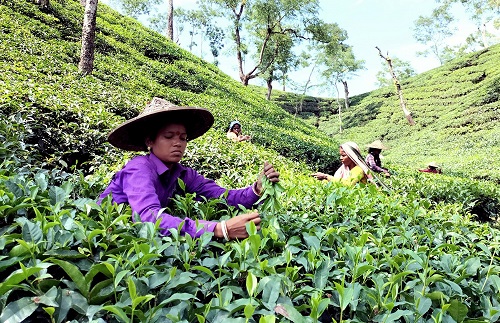
Scenic view of a tea plantation in Assam, showing lush green tea gardens and workers harvesting fresh tea leaves, highlighting the region’s role in shaping India’s tea culture and global tea industry.
The transformation that made a foreign leaf feel homely
Tea’s journey changed the moment Indians began to adapt it.
This transformation gave birth to chai—a version of tea that finally felt Indian.
Chai was warmer, richer, and more satisfying. It aligned with Indian taste, digestion, and emotion. Tea stopped feeling foreign and started feeling homely.
When tea became truly Indian through spice wisdom
Masala chai marked the moment tea truly became Indian.
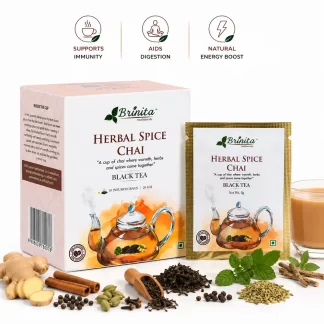
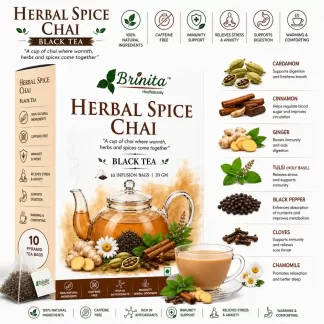
By blending tea with ginger, cardamom, cloves, cinnamon, black pepper, and sometimes fennel, Indians infused tea with centuries of spice wisdom. The result was not just flavour—but comfort.
It wasn’t medicine, but it felt therapeutic.
Ritual over logic, comfort over temperature
One of the most uniquely Indian truths is this:
Indians drink chai even in peak summer.
Under scorching sun, roadside chai stalls remain busy. For Indians, chai is not about cooling the body—it is about calming the mind.
It is ritual, not logic.
Therapy without words, connection without effort
In modern India, chai has become an emotional anchor.
After long workdays.
During office breaks.
In moments of anxiety or exhaustion.
People don’t say, “Let’s relax.”
They say, “Chai peete hain.”
It is therapy without words.
From product to feeling, from beverage to bond
The chaiwala became part of daily life. Conversations, debates, friendships, and decisions unfolded over cups of chai.
Tea stopped being a product.
It became a feeling.
Adopted history, shaped by emotion and time
Today, India is one of the world’s largest producers and consumers of tea. From simple chai to masala chai, tea flows through everyday life—across regions, classes, and climates.
But its story matters.
Tea is not ancient Indian heritage.
It is adopted history, shaped by people, milk, spices, summers, stress, and time.
Tea may not have originated in India—but chai belongs to India.
In India, chai is not just consumed.
It is felt, remembered, and repeated—day after day.
A foreign leaf. Made Indian by love.
No. Tea is not native to ancient Indian culture. While wild tea plants existed in Assam,
tea drinking was introduced by the British in the early 1800s. Indians transformed it into
chai by adding milk, sugar, and spices—making it uniquely Indian.
Tea cultivation began in India in the 1830s under British colonial rule, but Indians didn’t
widely consume it until the late 1800s and early 1900s. The addition of milk and spices
made it palatable and affordable, leading to the chai culture we know today.
Indian chai is brewed with milk, sugar, and spices like ginger, cardamom, cloves, and
cinnamon. This adaptation transformed bitter British-style tea into a warming, comforting
beverage aligned with Indian taste and tradition.
Chai in India is about emotional comfort, not temperature regulation. It provides a pause,
familiarity, and grounding—especially during stressful or overwhelming days. The ritual
matters more than the climate.
The British introduced tea cultivation to India in the 1800s to compete with Chinese tea.
Initially grown for export, tea eventually became popular among Indians who adapted it with
milk and spices, transforming it into chai—a beverage that feels distinctly Indian today.
Yes. The spices in masala chai—ginger, cardamom, cloves, cinnamon—offer digestive support,
anti-inflammatory benefits, and stress relief. While not medicine, masala chai provides
daily wellness support rooted in traditional wisdom.
Chai became affordable and accessible across all economic classes. Roadside stalls, railway
platforms, offices, and homes turned chai into a shared experience—fostering conversation,
connection, and community. It evolved from beverage to social glue.
Assam: Bold, malty black tea
Darjeeling: Delicate, aromatic “Champagne of teas”
Nilgiris: Smooth, fragrant South Indian varieties
Each region contributes unique flavors to India’s tea identity.
Experience Chai Rooted in Tradition
A borrowed leaf, made ours through love, milk, and spices.
Share this post:
Discover More Articles You Might Like
An Origin Story Some Legacies Are Inherited Through Names or Professions. Others Are Passed Quietly...

A Summer Ritual That Defies Logic Why Indians Still Reach for Tea in Peak Summer...

LIVER WELLNESS · EVERYDAY RITUAL There’s something grounding about wrapping both hands around a warm...

One tea helps you choose the moment. The other helps you enjoy it. You...

BRINITA WELLNESS GUIDE Your detox tea should feel like a pause—not a punishment. It is...

BRINITA WELLNESS GUIDE Your liver does not need a dramatic rescue mission. It needs fewer...
Disclaimer The statements have not been evaluated by FSSAI. This product is not intended to diagnose, cure or prevent any disease. Children and pregnant women should consult a doctor before use.




0 Comments