Why Do So Many People Wake Up Tired Despite Getting Enough Sleep?
When Sleep Duration Isn’t the Problem Why You Wake Up Tired — Even After Sleeping...
LIVER WELLNESS · NUTRITION · DAILY RITUALS
If your recent blood test or ultrasound mentioned fatty liver, you are not alone. The encouraging news is that early fatty liver can often improve with consistent lifestyle changes. A thoughtful fatty liver diet plan, regular movement and better everyday habits can make a meaningful difference.
A liver detox tea will not flush toxins overnight or cure fatty liver. But replacing sugary drinks with an unsweetened herbal tea can be one simple, sustainable step towards healthier daily choices.
In this guide, we explore the best foods for fatty liver, foods to limit, a practical seven-day meal plan, and how Brinita Liver Detox Tea can fit into a balanced wellness routine.
Understanding the condition is the first step towards making informed lifestyle choices.
Fatty liver disease occurs when excess fat builds up inside liver cells. It is often associated with metabolic factors such as insulin resistance, type 2 diabetes and excess body weight. Many people experience no obvious symptoms in the early stages, which is why it may be discovered during routine blood tests or an abdominal ultrasound.
You may also see the terms NAFLD (non-alcoholic fatty liver disease) or MASLD (metabolic dysfunction-associated steatotic liver disease). These terms describe conditions involving excess liver fat, although the diagnostic categories are not identical.
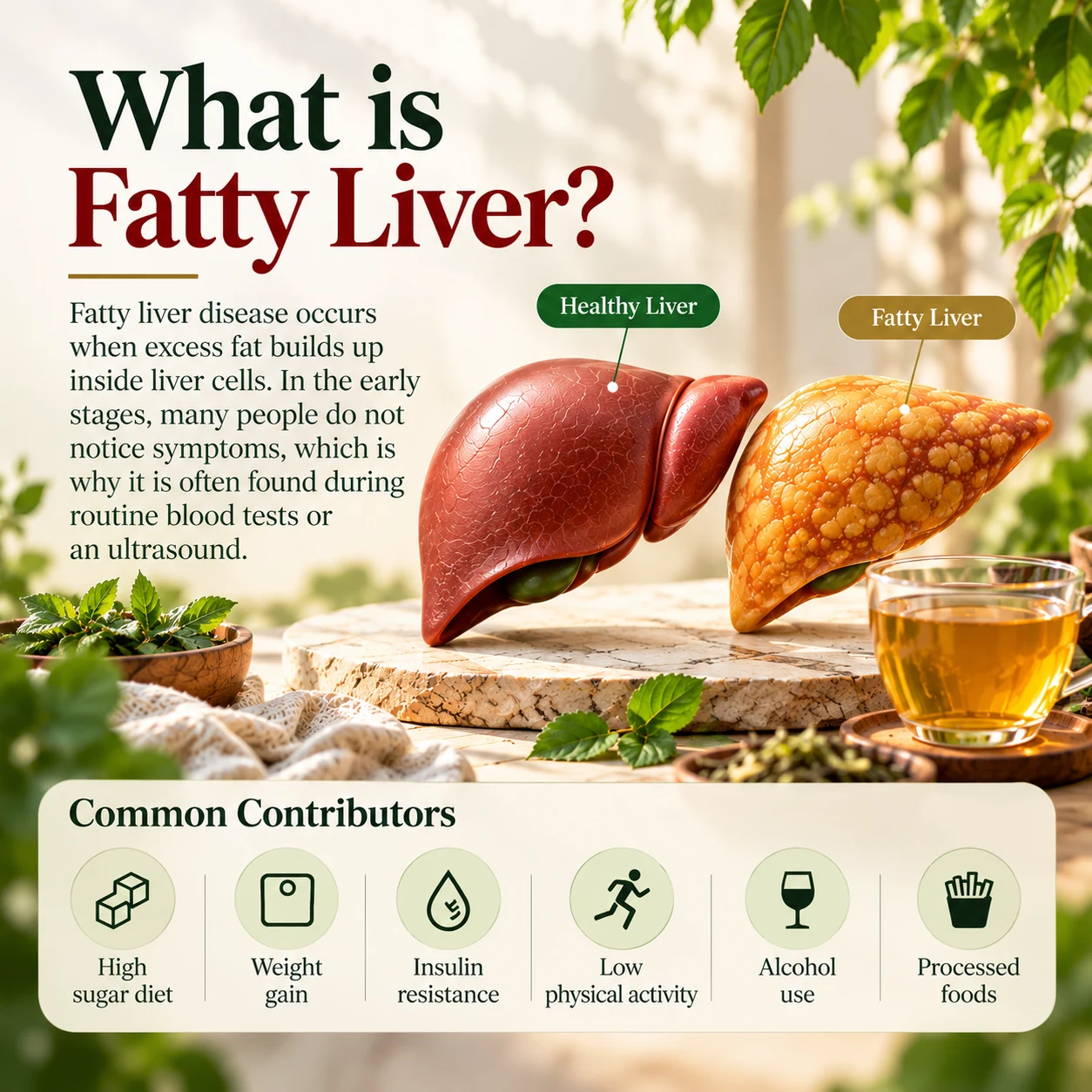
Your liver already performs essential processing and detoxification functions every day. The goal is not to find a miracle cleanse, but to build habits that support your health over time.
For many people, especially in the earlier stages, lifestyle changes can help reduce liver fat.
Sustained weight management, balanced nutrition and regular physical activity are important parts of managing metabolic fatty liver disease. The appropriate approach depends on your health, current weight and the severity of the condition.
These percentages are general clinical benchmarks, not individual weight-loss targets. More weight loss is not always better, and advanced liver disease may require additional medical care.
Extreme detoxes and rapid weight-loss programmes are not necessary for building a healthier routine. A more practical approach is to improve meal quality, increase movement gradually, reduce added sugar, get adequate sleep and limit or avoid alcohol.
A liver-friendly diet can be simple, satisfying and built around everyday foods.
You do not need expensive supplements or complicated recipes to improve your eating habits. Focus on vegetables, whole fruits, fibre-rich foods, lean protein and healthy fats. A Mediterranean-style eating pattern is one commonly recommended approach for metabolic health.
A healthier plate is not about eating less of everything. It is about making room for more nourishing, balanced choices.
Fibre-rich foods and balanced meals can help support blood-sugar management and make maintaining a healthy weight easier. Both are important considerations when managing fatty liver.
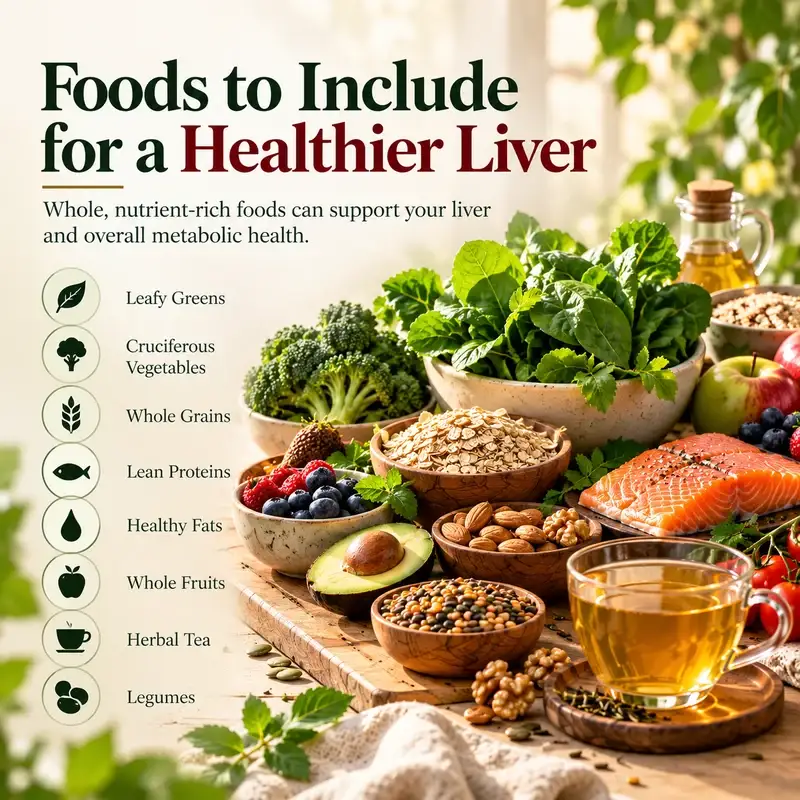
You can adapt these principles to Indian meals without changing your entire kitchen routine.
Use oils mindfully, include whole fruits and choose water or unsweetened beverages more often. Portion sizes should be adjusted to your individual needs.
Small substitutions can be more practical than strict food rules.
You do not need to eliminate every food you enjoy. However, if fatty liver is a concern, reducing added sugar, excess calories and highly processed foods can be a useful starting point.
Sugary drinks can deliver substantial amounts of sugar without providing much satiety. Replacing them with water or unsweetened tea is one of the simpler changes you can make.
Seven days of balanced meal ideas to help you get started.
This flexible sample meal plan uses accessible foods and does not require expensive supplements or complicated recipes. Adapt the meals to your preferences, allergies, cultural food habits and nutritional needs.
| Day | Breakfast | Lunch | Snack | Dinner |
|---|---|---|---|---|
| Monday | Oatmeal, berries and walnuts | Grilled chicken salad with olive oil | Apple and almonds | Baked salmon, vegetables and quinoa |
| Tuesday | Greek yoghurt, chia seeds and fruit | Lentil soup and whole-grain bread | Carrots and hummus | Turkey stir-fry with brown rice |
| Wednesday | Vegetable omelette and whole-grain toast | Chickpea salad with lemon and olive oil | Pear and walnuts | Baked fish, sweet potato and broccoli |
| Thursday | Overnight oats with cinnamon | Quinoa, beans and vegetables | Herbal tea and fruit | Chicken and vegetable soup |
| Friday | Spinach, berry and protein smoothie | Tuna or chickpea whole-grain wrap | Greek yoghurt | Turkey chilli with beans |
| Saturday | Scrambled eggs and avocado toast | Salad with grilled salmon | A handful of nuts | Whole-wheat pasta with vegetables and olive oil |
| Sunday | Vegetable frittata | Buddha bowl with tofu or chicken | Fruit and herbal tea | Roast chicken, cauliflower and brown rice |
A useful starting point: fill half your plate with vegetables, one-quarter with protein and one-quarter with whole grains or starchy vegetables.
This is a general example, not a personalised medical diet. People with diabetes, advanced liver disease or other medical conditions may need an individualised meal plan.
Understand what tea can contribute—and what it cannot promise.
Your liver already performs essential functions, including processing nutrients, metabolising substances and helping the body eliminate waste. No tea, juice or cleanse has been established as a way to rapidly flush toxins or cure fatty liver.
However, unsweetened herbal tea can still have a place in a liver-friendly lifestyle. Its practical value may come from the everyday habits it helps you build.
The main benefit is not a miracle detox. It is the opportunity to replace a less helpful habit with a better one.
A flavourful green-tea-based herbal blend for mindful everyday moments.
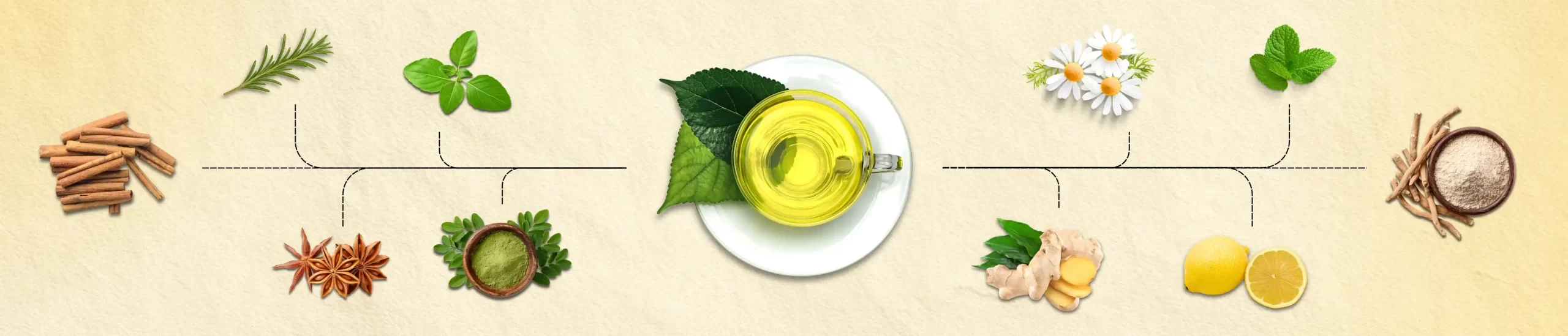
Brinita Liver Detox Tea combines green tea with botanicals traditionally associated with everyday wellness. Its layered flavour brings together earthy, warm and citrusy notes in a cup designed to be enjoyed as part of a balanced routine.
The blend includes 11 ingredients:
The best wellness ritual is one you can enjoy consistently—without expecting one cup to do the work of an entire lifestyle.
Brinita · Everyday wellness
Yes. Because the blend contains green tea, it contains natural caffeine. It should not be described as caffeine-free.
If you are sensitive to caffeine, consider enjoying it earlier in the day and check the product packaging for the preparation instructions.
A simple preparation ritual for a flavourful cup.
The pyramid format allows the blend to expand during steeping, helping release the flavour of green tea and the accompanying botanicals.
For a stronger iced tea, steep two tea bags in approximately 200 ml of hot water for 3–5 minutes. Allow the tea to cool, then refrigerate or pour over ice.
Natural ingredients can still interact with medicines or be unsuitable for certain people.
Speak with a healthcare professional before drinking multi-herb teas regularly if you:
Liquorice may be unsuitable for some people, particularly those managing high blood pressure or taking certain medications. Herbal ingredients can also interact with prescription medicines.
If you have fatty liver disease, use herbal tea only as a complement to appropriate medical care—not as a replacement for diagnosis, monitoring or treatment.
You don’t need a perfect diet. You need a repeatable routine.
Small habits can add up over time. A cup of Brinita Liver Detox Tea will not transform your liver overnight, but it can become an enjoyable moment within a routine built around balanced meals, movement and mindful choices.
You don’t need a seven-day cleanse.
Start with one better choice today.
Swap one sugary drink for a warm cup of Brinita Liver Detox Tea, pair it with a balanced meal and repeat the habits that work for you. Consistency—not a quick fix—is the foundation of a more sustainable wellness routine.
Explore Brinita Liver Detox Tea and discover a more thoughtful daily wellness ritual.
A balanced diet built around vegetables, whole fruits, whole grains, legumes, lean protein, fish, nuts, seeds and healthy fats can support metabolic health. A Mediterranean-style eating pattern is often recommended. Individual needs vary, so consult a healthcare professional for personalised guidance.
Prioritise reducing sugary drinks, foods high in added sugar, frequent fried foods, highly processed snacks, excess refined carbohydrates and processed meats. If you have liver disease, discuss alcohol avoidance with your healthcare professional.
In many cases, early fatty liver can improve with sustained lifestyle changes. Losing around 5% of body weight may reduce liver fat, while greater reductions may help improve inflammation and other liver changes. Results depend on the individual and the stage of disease.
No tea has been established as a way to flush toxins or replace the liver’s natural functions. Unsweetened herbal tea can be part of a healthy routine, especially when it replaces sugary beverages.
Brinita Liver Detox Tea is not a treatment or cure for fatty liver disease. It can fit into a liver-friendly routine as an unsweetened beverage, provided its ingredients are suitable for you. It does not replace medical care or a balanced diet.
Yes. The blend contains green tea, which naturally contains caffeine. It is not a caffeine-free herbal tea. People sensitive to caffeine may prefer to drink it earlier in the day.
Whether daily use is appropriate depends on the blend’s ingredients, your health and any medicines you take. Check the product instructions and consult a healthcare professional if you have liver disease, high blood pressure, are pregnant or breastfeeding, or take regular medication.
Regular brewed green tea differs from concentrated green-tea extract supplements. High-dose green-tea extracts have been associated with rare cases of liver injury. Avoid high-dose extracts unless recommended by a qualified healthcare professional.
Unsweetened coffee can fit into a liver-friendly routine for many people. Some research associates regular coffee consumption with better liver outcomes, but it is not a treatment. Limit added sugar, syrups and sweetened creamers.
Alcohol may worsen liver health. If you have fatty liver disease, discuss alcohol avoidance with your healthcare professional, particularly if there is inflammation, fibrosis or another liver condition.
Modest weight loss can help some people. Around 5% of body weight may reduce liver fat, while 7–10% or more may improve inflammation and other liver changes. Your target should be individualised with professional guidance.
Water, sparkling water, unsweetened tea and unsweetened coffee are practical alternatives to sugary drinks. They can help reduce added sugar intake as part of a balanced lifestyle.
Check with a doctor or pharmacist before combining herbal blends with prescription medicines. This is particularly important for people taking blood-pressure, diabetes or other regular medication, because ingredients such as liquorice may not be suitable for everyone.
The afternoon may be a convenient time to replace a sugary drink or snack. Since the blend contains green tea and natural caffeine, avoid drinking it too close to bedtime if you are caffeine-sensitive.
Tea alone will not cause meaningful weight loss. Replacing high-calorie sugary drinks with unsweetened tea may help reduce calorie and sugar intake, but sustainable weight management depends on your overall diet, physical activity and other lifestyle factors.
Share this post:
Discover More Articles You Might Like

When Sleep Duration Isn’t the Problem Why You Wake Up Tired — Even After Sleeping...

3 Questions I Ask Before Trusting Any Herbal Tea — Brinita From a Founder Who...

Most wellness brands stop at the herb. We went further. This is the full story...

From Ancient Wisdom to Modern Wellness The Evolution of Herbal Tea in India — From...

A detox tea routine does not need to be complicated, restrictive or filled...

The Missing Half of the Wellness Equation Why Your Evening Routine Matters More Than Your...
Disclaimer The statements have not been evaluated by FSSAI. This product is not intended to diagnose, cure or prevent any disease. Children and pregnant women should consult a doctor before use.




0 Comments