
“Why Evening Habits Matter More Than Morning Routines”
The Missing Half of the Wellness Equation Why Your Evening Routine Matters More Than Your...
A Summer Ritual That Defies Logic
It is 40°C outside. The air feels heavy. Fans struggle. Cold drinks seem logical.
And yet, somewhere in India, someone just asked: “Chai milegi?”
This question is not about thirst. It never was.
In a country where summer can feel relentless, chai continues to appear in cups, hands, and conversations. Not because it cools the body—but because it comforts something deeper.
It’s about steadying yourself when everything else feels unstable
Indians do not drink chai in summer to cool down. They drink it to steady themselves.
Chai is not treated as a seasonal beverage. It is treated as a constant—something reliable when everything else feels uncomfortable. When heat drains energy and patience, the mind looks for familiarity.
Chai provides that familiarity.
Predictability brings calm in uncomfortable conditions
Summer disrupts daily rhythm. Sleep reduces. Appetites shift. Tempers shorten. In these moments, people instinctively reach for what feels unchanged.
Even when the weather is extreme, chai stays predictable. That predictability brings calm.
What people crave in summer is not stimulation—it is a pause
Chai forces stillness.
Unlike cold drinks that disappear in seconds, chai demands time. It slows the moment down. That slowdown is the real relief.
Spices that ground rather than excite
Masala chai plays a special role in this habit.
Spices like ginger, cardamom, clove, and cinnamon do not excite the system—they ground it. Even in heat, these flavours feel balanced rather than overwhelming.
Masala chai doesn’t refresh the body.
It reassures the mind.That is why many people prefer masala chai even during the hottest months.
Everyday language that explains more than science ever could
Chai in India lives through everyday language. These familiar lines capture the truth:
None of these are about thirst.
They are about reset, reassurance, and rhythm.
A request for pause disguised as a request for tea
In India, people rarely say they are overwhelmed. Instead, they say:
“Chai chahiye.”
This is not a request for a drink.
It is a request for a pause.
Chai marks a boundary between stress and calm. In summer—when fatigue builds faster—this emotional reset becomes even more important.
Comfort beats refreshment, every time
Cold drinks cool the body.
They do not anchor the mind.
They are fast, individual, and forgettable. Chai is slow, shared, and remembered. It creates conversation, silence, and connection.
In uncomfortable conditions, people choose comfort over refreshment.
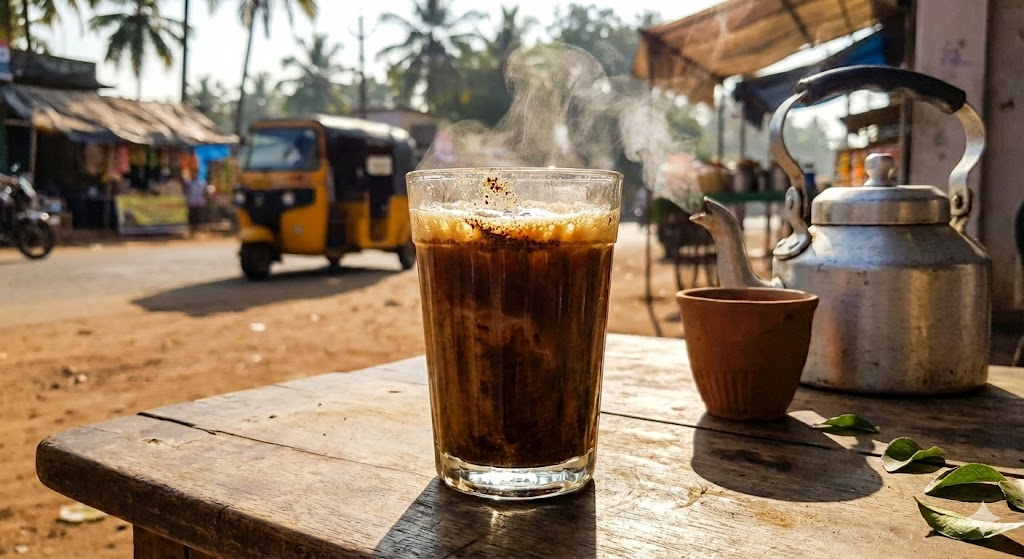
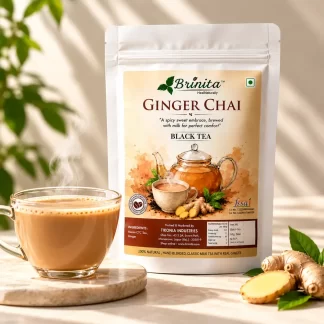
A glass of chai, a roadside table, and the comfort that never changes.
Chai became emotional infrastructure
Over time, chai stopped being logical. It became emotional infrastructure.
That is why it survives every season—including the harshest summers.
Indians drink chai in summer not because they ignore heat, but because chai offers something more essential.
Consistency in chaos. Familiarity in discomfort. A pause when the day feels relentless.
It’s not about cooling the body—it’s about grounding the mind. Chai provides familiarity,
routine, and a pause when everything else feels uncomfortable. The ritual matters more than the temperature.
Scientifically, hot beverages can trigger sweating which may cool the body—but that’s not
why Indians drink chai in summer. They drink it for emotional regulation, not thermoregulation.
Spices like ginger, cardamom, and clove ground the system rather than excite it.
Even in heat, these flavors feel balanced. Masala chai reassures the mind, which is
exactly what’s needed when weather feels overwhelming.
Cold drinks are fast and forgettable. Chai is slow, shared, and remembered.
It creates conversation, marks pauses, and anchors the mind. In uncomfortable
conditions, people choose comfort over refreshment.
While hot tea is consumed globally, India’s relationship with chai transcends beverage culture.
It’s emotional infrastructure—a constant in daily life regardless of season. The phrase
“Chai chahiye” isn’t about thirst; it’s about needing a reset.
Indians don’t schedule chai around temperature—they schedule it around need.
Morning ritual, afternoon slump, evening wind-down, or anytime “dimag kaam nahi kar raha.”
The beauty is chai works whenever you need that pause.
Experience Chai That Understands India
The comfort that never changes. The ritual that always grounds.
Share this post:
Discover More Articles You Might Like

The Missing Half of the Wellness Equation Why Your Evening Routine Matters More Than Your...

A detox tea routine does not need to be complicated, restrictive or filled...

BRINITA WELLNESS GUIDE Your detox tea should feel like a pause—not a punishment. It is...

BRINITA WELLNESS GUIDE Your liver does not need a dramatic rescue mission. It needs fewer...

A Founder’s Note On Quitting Coffee (Sort Of) “Jab tak chai nahi, tab...
A Philosophy of Gentle Wellness A Quiet Approach to Everyday Wellness Wellness does not always...
Disclaimer The statements have not been evaluated by FSSAI. This product is not intended to diagnose, cure or prevent any disease. Children and pregnant women should consult a doctor before use.





















1 Comment